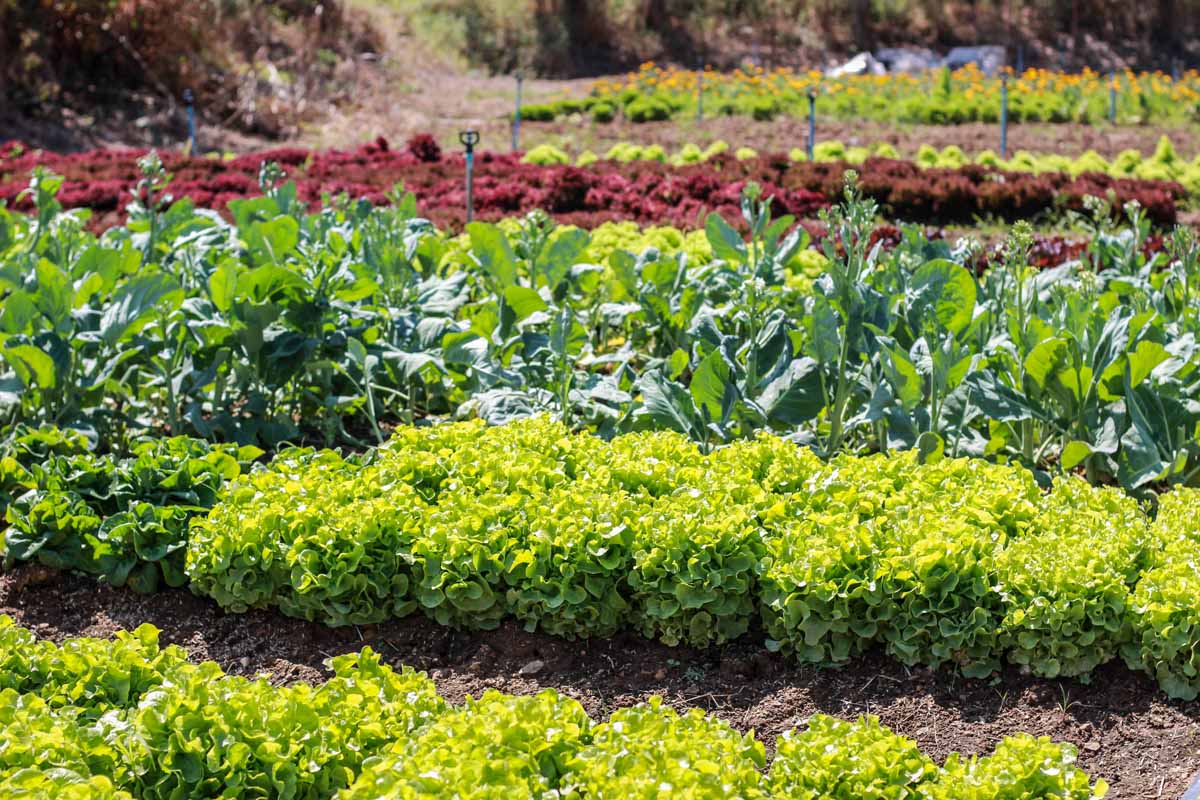
On Rosie Lee's 19-acre farm in California, the dry ground has begun to claim territory usually reserved for crops. Half the farm is now unplanted, a stark result for a grower whose fields depend on a well and whose water budget is no longer a simple calculation.
Lee's predicament is part of the pressure building around California's tightening groundwater rules. Farmers are being asked to make planting decisions before they know how much water they can afford to pump, a problem described in reporting on the rules' effect on small farms.
The Cost of a Well
Groundwater has often been the quiet insurance policy beneath California agriculture. Now, uncertainty over pumping costs is moving above ground, into crop plans and household finances. A field left empty does not need irrigation, but it does not produce a harvest either.
The rules are intended to limit groundwater pumping, yet their burden does not land evenly. Larger operations may have more room to absorb a failed planting decision or a costly water bill. For a small farm, the same uncertainty can reach quickly into the question of whether farming remains viable, as the Los Angeles Times has reported.
Fallow Is Not Free
Leaving land unplanted is sometimes treated as the cleanest response to a water shortage. It is also an expense with no crop revenue attached. California researchers are examining less damaging options, including drought-tolerant crops, for growers facing groundwater cutbacks; another analysis describes fallow farmland as costly.
That leaves farmers weighing imperfect substitutions: plant less, change what is planted, or stop using part of the farm. The right answer depends on water prices, crop value, soil, and the rules governing a particular groundwater area. None of those decisions can be made from a regulation alone.
For small farmers, the danger is cumulative. Reduced acreage means fewer crops to sell, while the fixed work of maintaining land and equipment does not disappear with the plants. If pumping remains too expensive or uncertain, the rules could push growers out of production rather than simply toward more efficient irrigation.