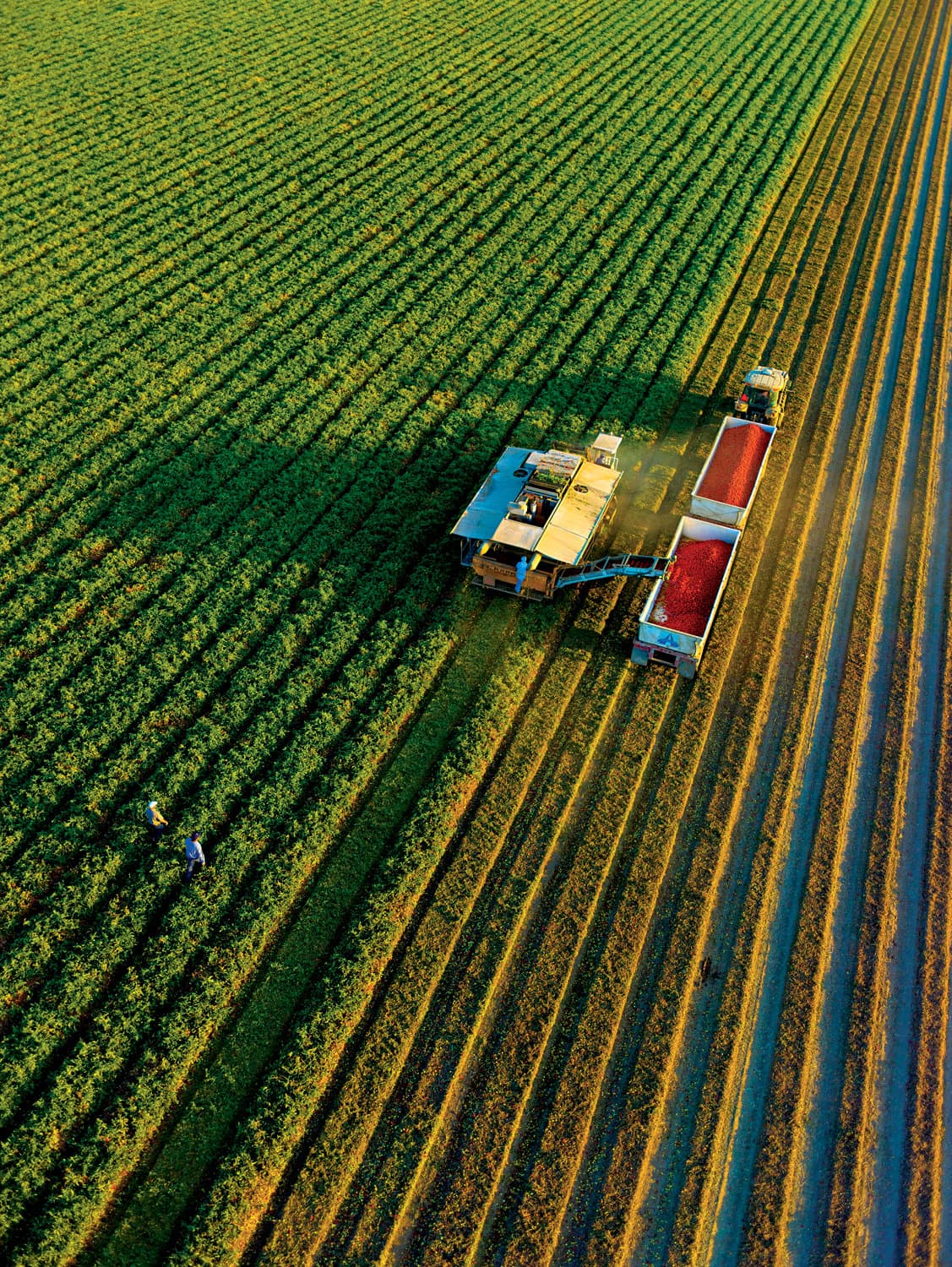
A potato field can look deceptively finished from the road. The leaves have made their canopy, the ridges are still visible, and nothing about the view says that the crop underneath may be stopping short. In Britain this summer, the missing inches are forming underground.
Farmers in England and Wales are facing what has been described as the driest July on record. For vegetable growers, the problem is not simply a dry-looking field: insufficient water can slow bulking, leave roots and tubers undersized, and turn a marketable crop into a grading headache. The result could be a kind of “shrinkflation,” with smaller vegetables reaching supermarket shelves.
The Crop Stops Growing Before the Bills Do
Potatoes are among the clearest examples. Heat and drought can stunt tuber development even when the plant still looks presentable above ground, prompting supermarkets to prepare for smaller spuds and potentially tighter supplies. Britain’s potato crop is at risk from the heatwave conditions, a problem that arrives late in the season, when growers have already paid for seed, fuel, labor, and fieldwork.
Irrigation is not a universal escape hatch. Growers need water sources, abstraction permissions, pumps, pipes, and enough capacity to move water across fields; during a prolonged dry spell, each of those can become a bottleneck. Reports from the farming sector say growers are struggling to secure enough water for crops, while parched grassland and arable fields show that the shortage extends beyond vegetables. The dry conditions are putting pressure on Britain’s food supplies.
The financial exposure is large even before a supermarket changes its order. The Energy and Climate Intelligence Unit estimates that the drought could cost farmers up to £390 million, with lost output and extra costs arriving together. A smaller crop can mean fewer saleable tonnes, while the crop that survives may require more irrigation, sorting, and handling.
A Harvest Measured in Shortfalls
Warnings have widened beyond potatoes. The National Farmers’ Union has said prolonged drought could lead to shortages of some food products, with wheat and oats among the crops affected by poor growing conditions. NFU president Tom Bradshaw warned of possible food shortages, bringing the weather from individual fields into the country’s supply calculations.
The most severe forecast is not a modest dip in yield but the possibility that this year’s harvest will be the worst on record. For growers, that phrase carries a practical meaning: contracts may need renegotiating, packhouses may run below capacity, and a crop that would normally be sold across several grades may arrive concentrated in the smallest sizes.
Retailers can respond in several ways. They may accept smaller produce, adjust specifications, source more from abroad, or pass higher wholesale costs through the chain. None of those choices creates more water in a field. They only decide who absorbs the shortage and how visibly it appears to shoppers.
The cereal outlook adds another layer to the squeeze. A drought-hit British cereal harvest is forecast to be the weakest in decades, according to reporting based on ECIU analysis. Vegetable growers and livestock farmers do not share identical exposure, but they are operating in the same weather system, with competition for water and higher feed or input costs moving through the farm budget.
What happens next will depend on the weather arriving after the damage has begun. Rain may help later crops and ease pressure on reservoirs, but it cannot fully restore growth already lost. Growers will be watching field moisture, irrigation availability, lifting samples, pack-out rates, and the size specifications buyers are willing to accept.