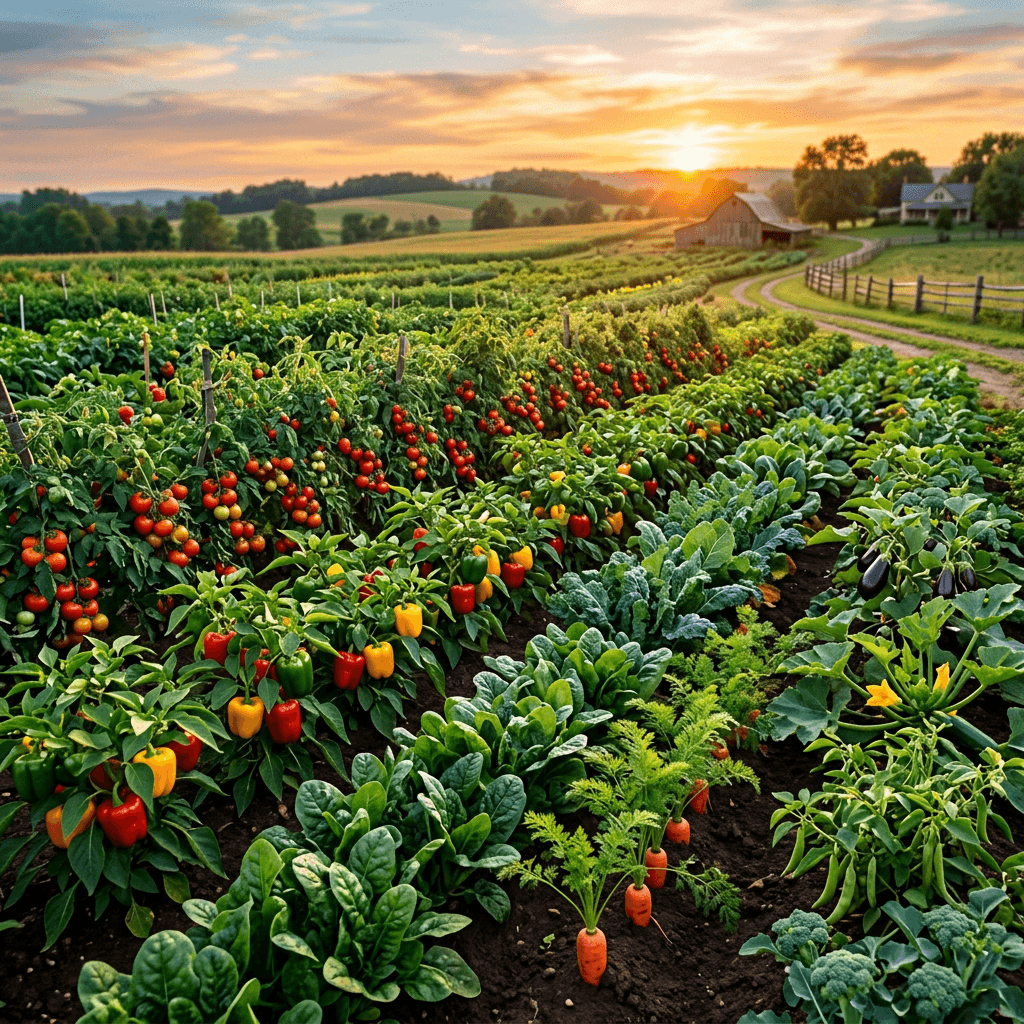
Across the UK, fields are carrying the blunt visual evidence of a dry year: soil hardening, crops depending more heavily on irrigation, and farm water supplies becoming a matter of timing as much as volume. For fruit and vegetable growers, the margin for error is narrow. A crop can be healthy in the morning and thirsty by afternoon.
Farmers are now calling for flexible abstraction licenses that can respond to changing conditions, rather than rules that leave permissions fixed while rainfall disappears. The drought has been described as one of the worst in decades, with fruit and vegetable production already significantly affected.
Licenses Built for Wetter Assumptions
Abstraction licenses govern how farms take water from rivers, groundwater, reservoirs and other sources. In a dry season, restrictions can be necessary to protect those supplies. But growers say a system that cannot adjust quickly enough can turn a regulatory safeguard into a production risk, especially for crops that cannot simply wait for rain.
The pressure is not confined to one farm or one crop. Reporting from FarmingUK describes farm water pressure mounting across England, with growers facing the awkward arithmetic of needing more irrigation just as access becomes harder to secure.
A Drought Measured in Growing Risk
The official map has widened alongside the concern in the fields. Seven areas were placed into drought status after very low rainfall and exceptionally high temperatures, according to the Department for Environment, Food and Rural Affairs and the Environment Agency. The designation does not water a crop, but it signals that farms are competing with broader demands on already-stretched supplies.
For growers, the operational question is less dramatic than the word drought and more immediate: whether an irrigation allocation will still be available when a crop reaches its next critical stage. Vegetable production is particularly exposed because planting and harvest schedules leave little room to move work around a dry spell. One farmer told The Independent that the conditions could force growers to stop growing vegetables if the situation continues.
The Request Is for Room to Adjust
Flexible licensing would not mean unlimited access to water. It would give regulators and growers a way to revise permissions as conditions change, while still accounting for rivers, reservoirs and other users. That distinction matters: farmers are asking for a system capable of recognizing a crop's water demand before the shortage becomes visible in the leaves.
The immediate concern is that farms without a policy change could face severe shortages, leaving businesses to absorb lost yields or abandon planting decisions made months earlier. The wider food supply chain feels that delay too, because fresh produce cannot be stored indefinitely while officials and growers wait for the weather to turn.