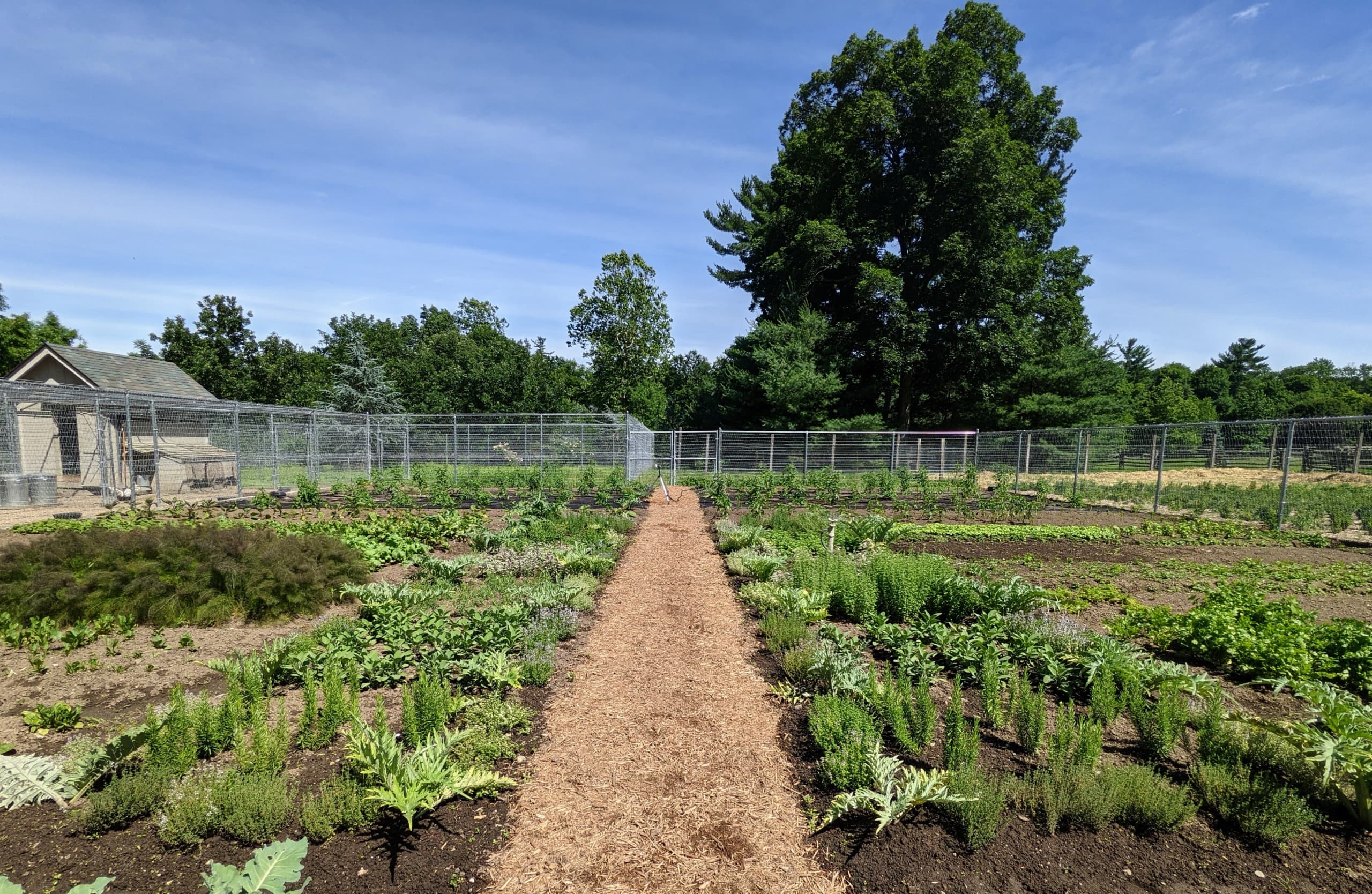
The space between two crop rows is a narrow place to ask a machine to work. It has to recognize a plant, avoid the one beside it, cope with mud and changing light, and do something useful before the weather turns. That is the sort of practical problem now sitting at the center of a new UK funding competition.
The government has opened a round of the Farming Futures Automation and Robotics competition for projects developing robots and automated systems for farm work. The program is aimed at the jobs that arrive in a rush: planting, tending, and harvesting, when a short window can put unusual pressure on a farm’s workforce. The competition is open to collaborative projects.
From Demonstration to Working Field Tool
The funding is available to agri-tech businesses developing practical automation with farming partners, rather than technology designed only for a laboratory floor. That distinction matters in specialty crops, where a machine may need to handle uneven ground, delicate produce, irregular spacing, or a task that still depends on a person’s judgment.
The competition covers agriculture broadly, including crops, livestock, horticulture, and forestry. For fruit, vegetable, nursery, and berry growers, the useful invention may be less a driverless tractor than a machine that can carry trays, spot weeds, move through a tunnel, or take some of the repetition out of harvest. Defra describes the goal as developing practical automation and robotics.
That practicality is the quiet test. A robot can be impressive in a controlled demonstration and still be awkward beside a hedgerow, expensive to repair, or too slow to earn its place in a busy block. Growers will care about uptime, training, charging, cleaning, and whether the machine can work alongside the equipment already parked in the yard.
A Seasonal Problem, Not Just a Technology Problem
The government says the initiative is intended to help farmers manage labor shortages and improve productivity. The funding is aimed at helping farms during busy seasons, when the need for extra hands can be sharpest and the work least forgiving.
For a specialty-crop operation, automation may therefore arrive as a supporting hand rather than a replacement for the crew. A machine that keeps up with repetitive work could leave people to handle quality decisions, crop checks, and the exceptions that make agriculture resistant to neat spreadsheets.
The scale of the award is meant to move ideas toward commercial use, but it does not guarantee that a finished robot will appear in a grower’s field. Agri-tech businesses are being invited to bid, and the eventual value will depend on which projects win, how closely developers work with farms, and whether the machines survive contact with real crops.
That makes the application round worth watching even for growers who have no interest in buying a robot this year. The projects selected now may shape what equipment dealers, contractors, and technology suppliers can offer later—and which chores are considered suitable for automation in the first place.