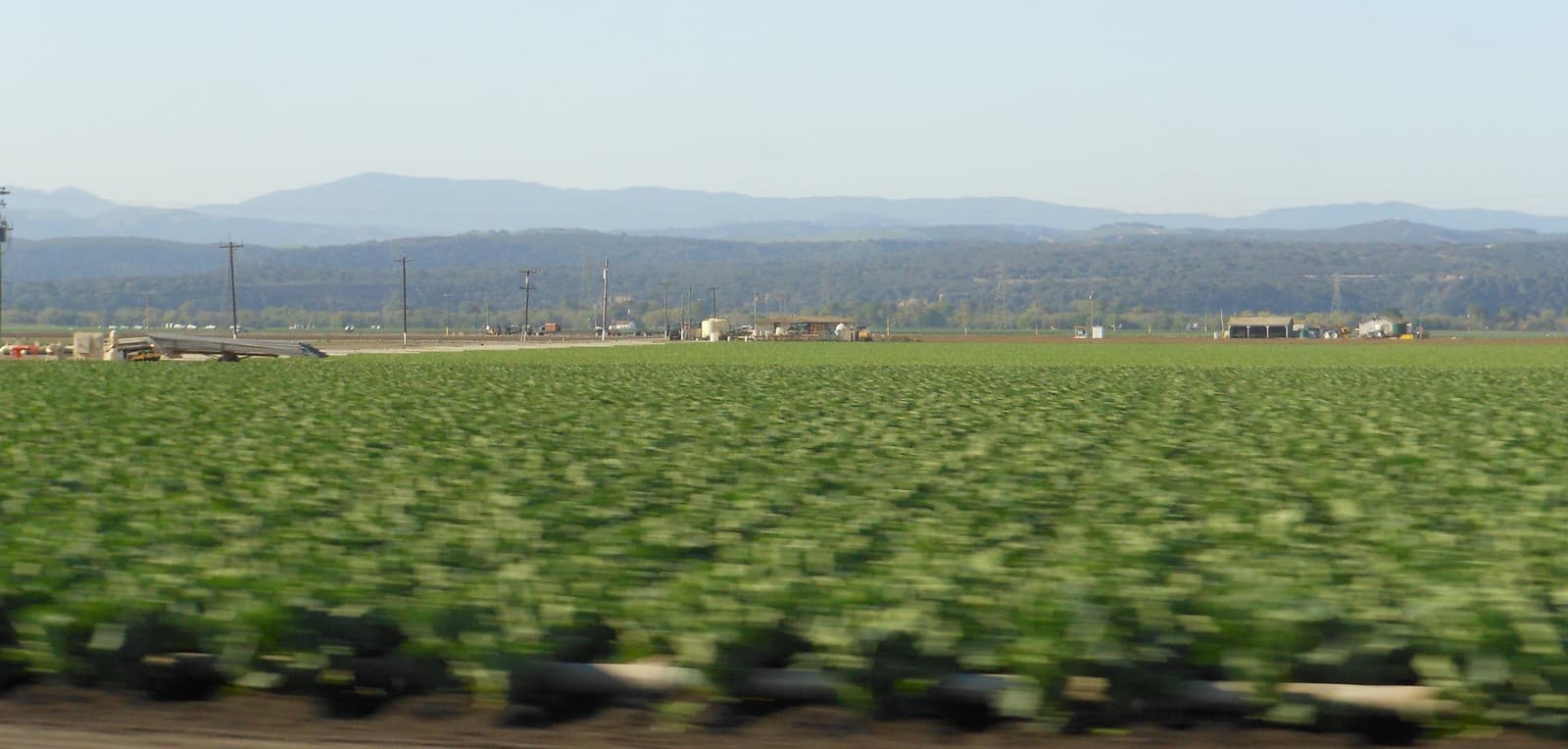
At Reservoir’s site in Salinas, the work of agricultural automation has room to be literal. The company’s 40 acres give new machines somewhere to be assembled, tested and put in front of the crops they are supposed to help harvest. That is a more demanding proving ground than a conference floor, where the rows are straight and nobody is waiting for a crew to finish before the weather changes.
Reservoir Ventures is raising $50 million for early-stage agricultural robotics startups, with the broader aim of making innovation easier to test in the specialty-crop country around it. The fund is being built around the idea that a company can learn faster when its machines, engineers and prospective customers share a piece of ground. The initiative is focused on pre-seed agricultural technology, rather than on finished equipment looking for a buyer.
A Fund with Rows to Walk
The companies Reservoir wants to back are developing tools for high-value crops such as strawberries and lettuce. Those crops make an unforgiving test case: the work is repetitive but rarely uniform, the harvest window is narrow, and the machine has to operate around plants, fruit and people without treating any of them as obstacles to be cleared.
That is why the Salinas Valley matters to the pitch. UC Agriculture and Natural Resources has been using local field demonstrations to connect growers with technical companies and gather feedback on their biggest pain points. At an August 6 field day, eight startups were scheduled to demonstrate tools for leafy greens and other farm work, including Carbon Robotics. The program is designed to put producers in the feedback loop, not merely bring them out for a tour of polished prototypes.
The Long Harvest Window
Robotics investors have a timing problem. Venture capital often expects progress on a three- to four-year cycle, while agricultural machines take longer to prove themselves across changing fields, weather and crop conditions. A startup may need several seasons before a grower knows whether a machine saves labor, creates a new bottleneck, or simply becomes another piece of equipment that needs babysitting.
Advancements in perception technologies, edge computing, AI and robotics have made the entire system more investable.
Danny Bernstein, founder of Reservoir
That claim is less about a single robot than about the supporting machinery around one: better cameras and sensors, computing that can make decisions close to the machine, and software that can be tested without rebuilding the whole operation each time. At Reservoir’s Ruggedize conference, Bernstein said machines can now be assembled and tested in under six months. The shortened development cycle is part of the case for agricultural robotics.
Reservoir’s bet therefore reaches beyond funding startups. It places capital next to a working specialty-crop landscape, where a prototype can encounter the uncooperative details that usually arrive later: uneven ground, variable plant size, a full truck waiting at the edge of the block, and a harvest deadline that does not care how promising the pitch deck sounded.