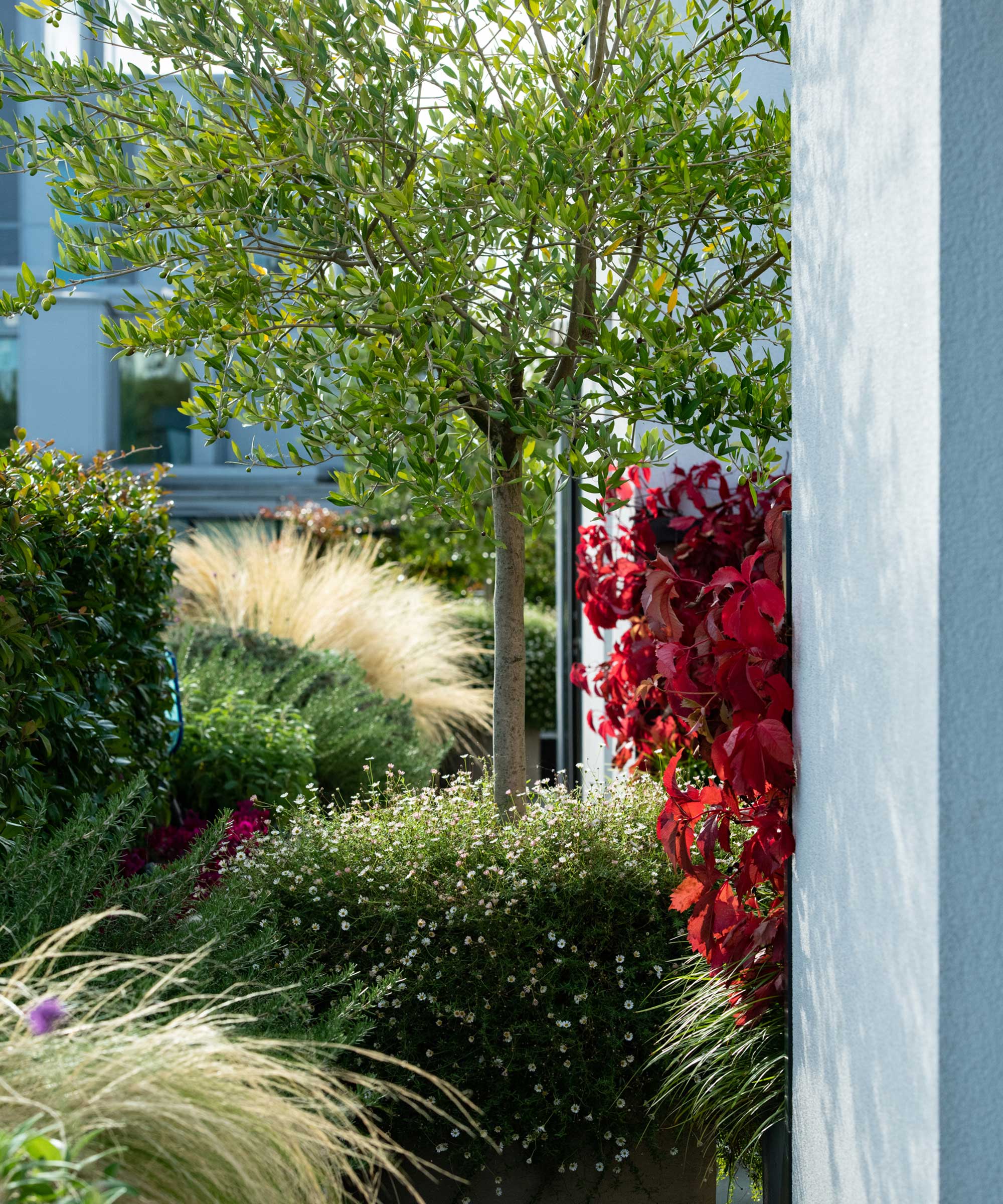
In the Lindsay area, the olive grove carries a bit more history than most. Among the trees at Olivaia Ranch is the ‘California Ripe Olive,’ a variety associated with the black olives that helped make California agriculture legible on grocery shelves far beyond Tulare County.
The ranch is run by Giulio Zavolta and Rachelle Bross, who have spent more than a decade bringing rare olive varieties back into cultivation. Their work is less a nostalgia project than a slow exercise in keeping plant material, flavor, and place from disappearing together.
Olivaia Ranch grows 16 olive varieties and produces estate extra virgin olive oil in small batches, according to a photo report on the ranch’s heirloom groves. The scale is modest beside California’s broad commodity systems. That is part of the point: a historic crop does not need to return as a statewide industry to remain alive.
A Variety With a Local Address
Lindsay’s name is closely tied to California’s olive story, and the ranch is trying to preserve that connection in the orchard itself. The California Ripe Olive is not being treated as an old label to print on a bottle; it is being grown, harvested, and processed as a crop with a future.
That distinction matters in perennial agriculture. Once a variety leaves the ground, recovery is not a matter of ordering new seed for the next season. Trees take years to establish, and the knowledge around them—how they grow, when they are ready, what their fruit is good for—can thin out along with the plantings.
The reported revival at Olivaia Ranch sits inside that longer agricultural problem. California has repeatedly remade its orchards around varieties that fit current markets, packhouses, and processing lines. The varieties that do not fit as neatly can become historical footnotes, even when they once shaped a region’s food economy.
Keeping Old Trees Useful
For Bross and Zavolta, restoration means giving these olives a use in the present. Estate oil offers one route: the fruit can be valued for its particular character rather than sent through a system designed to make every lot behave the same way.
That is a familiar California calculation, with an olive-tree timetable attached. A grower preserving an unusual variety is also preserving land, irrigation, harvest labor, milling decisions, and a customer willing to pay attention. The reward is not necessarily volume. It may be that the variety remains available for the next orchard, chef, researcher, or family that wants to know what an older California olive tasted like.
The project also gives the Lindsay area a different kind of agricultural continuity. The ranch is not reconstructing a museum display; it is maintaining living trees in a county where perennial crops already organize much of the landscape. California’s agricultural heritage, in this case, has roots and a harvest schedule.
For California olive growers, the practical lesson is narrow but durable. Historic material can survive when someone takes responsibility for the whole chain, from tree selection to finished product. Olivaia Ranch is making that chain visible in Tulare County, one uncommon olive at a time.