The rows in Yolo County look much like the rows elsewhere in California’s pistachio country: young trees standing in disciplined lines, waiting for years of irrigation and pruning before they become dependable producers. Around them, the county’s nut industry is getting bigger. California produced 1.6 billion pounds of pistachios last year, and Yolo County was one of the places where the orchard map expanded, according to a recent account of the county’s pistachio growth.
That growth is more than a matter of trees changing the view from the road. Pistachios take years to reach commercial production, so acreage planted now is a bet on water, labor, processing access and a market that will still want another shipment of nuts when the trees mature.
Two thousand more acres in the count
Yolo County’s harvested pistachio acreage rose by roughly 2,000 acres between 2023 and 2024. The increase gives the county a larger role in a crop long associated with the southern San Joaquin Valley, while also adding more orchards to a local agricultural system already dealing with groundwater limits.
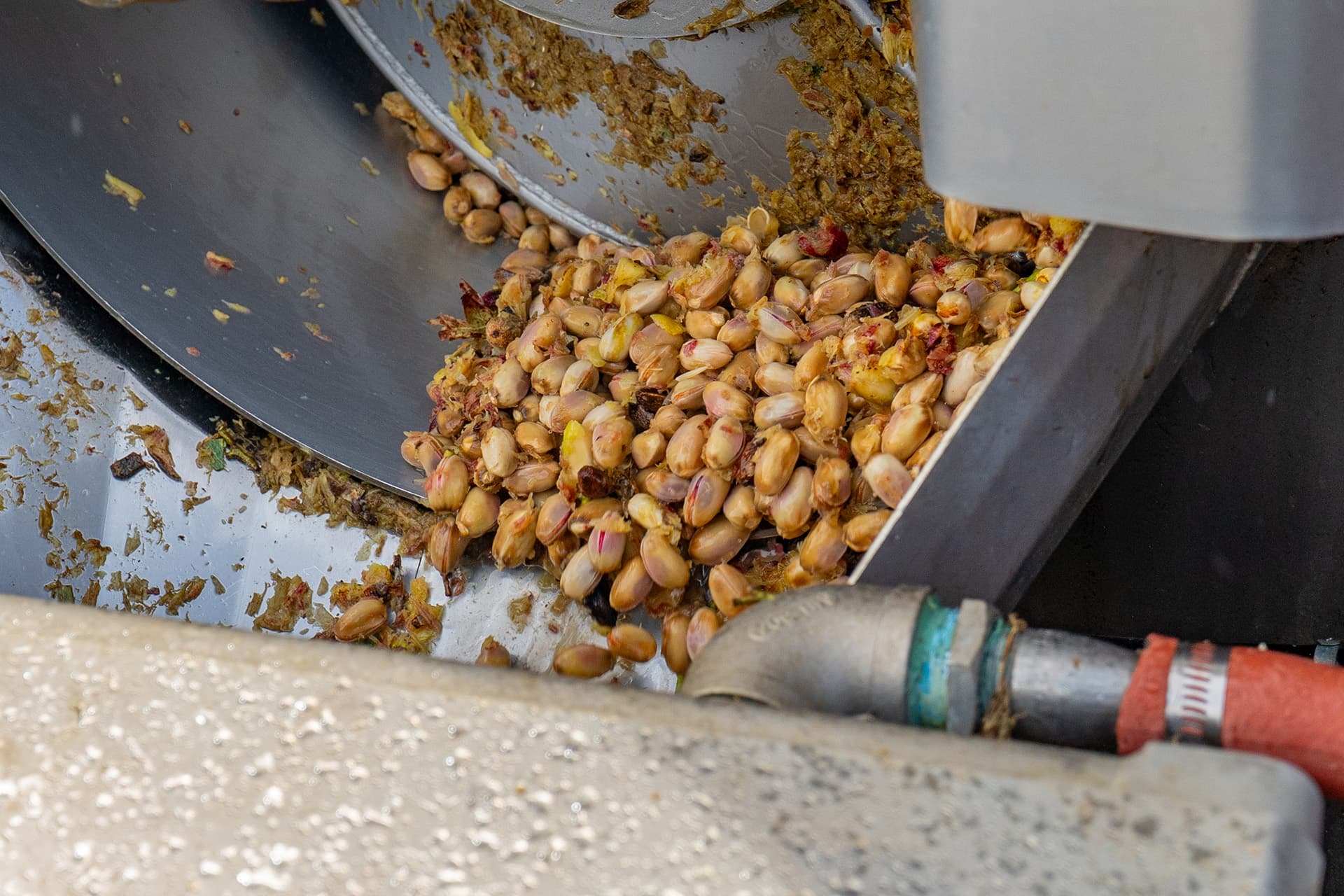
Setton Farms has expanded its Yolo County operations and is aiming to process half of the pistachios produced in northern California. For growers, a nearby or regionally focused processor can shape harvest logistics: where loads go, how quickly they move and which investments in equipment or contracts make sense. The processor is placing its bet before every newly counted acre is producing at full volume.
The well question beneath the orchard
The county’s expansion arrives with an awkward piece of timing. The Yolo County Board of Supervisors has extended its moratorium on new agricultural wells as the county assesses groundwater conditions after the 2020–22 drought, according to the Sacramento Bee. A pistachio orchard can be a long-term investment, but its water source has to be available long before the first full crop.
That leaves prospective orchard developers working through two different clocks. Trees are planted for decades; county groundwater policy can change within a budget cycle. Existing growers may have more certainty than someone seeking a new agricultural well, but the distinction matters less once a block is designed around an irrigation plan that cannot be permitted.
Processing capacity meets a growing crop
The processing expansion makes sense only if the broader pistachio market can absorb more California fruit. Recent industry reporting says consumer demand has helped absorb rapid production growth, giving processors room to expand even as other tree nuts have faced a softer market elsewhere.
For Yolo County, the result is a developing loop: more bearing acreage can support a larger plant, and a larger plant can make the region more useful to growers. Neither side is automatic. Orchard establishment still depends on water access, while processor economics depend on enough consistent volume to keep the line busy.
California growers outside Yolo County may feel the change through delivery options and competition for northern California fruit. Inside the county, the more immediate question is whether the next pistachio block can secure water under the rules now being assembled around the aquifer.