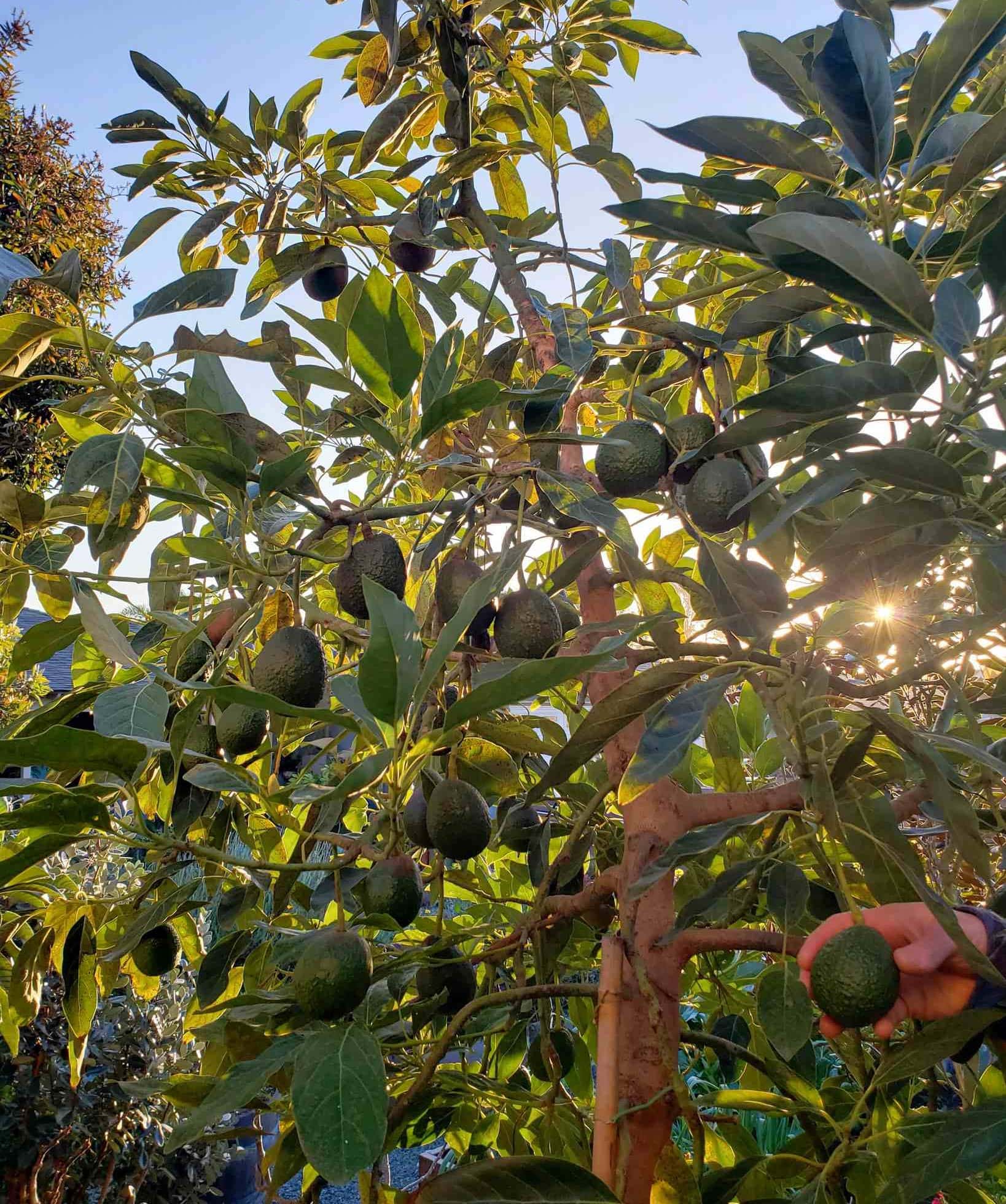
An avocado crop has two ways to leave an Australian orchard: it can travel overseas in a shipping container, or it can stay home and meet a shopper reaching for toast. This season, both routes are carrying more fruit.
Australian exports have reached record levels, according to ABC News. That matters because a bumper crop is only good news if the market can take it. Fruit left without a destination has a habit of turning a production success into a price problem.
A Bigger Crop Finds More Doors
The industry is coming off a rebound in production, with supply and overseas shipments forecast to reach new highs over the coming seasons. Rabobank’s 2026 Global Avocado Update, reported by Food & Beverage Industry News, frames the change as a supply story with a market attached: more fruit is arriving, but demand is expanding alongside it.
That balance is less dramatic than a shortage or a collapse, which is probably why it is easy to miss. For growers, though, a market that keeps accepting fruit can be the difference between planning for growth and scrambling to clear bins after harvest.
The Domestic Market Pulls Its Weight
Australian consumers are also eating more avocados. The stronger home market is helping absorb supply that might otherwise press heavily on prices, reducing the risk that increased production becomes an oversupply problem.
That gives local growers a little more room to work with. Export demand can widen the customer base, while domestic demand provides a nearer market when international logistics, timing, or buyer requirements make overseas sales less straightforward.
The immediate benefit is broader market stability for Australia’s avocado industry. The harder task is maintaining that balance as orchards produce more fruit and buyers adjust to plentiful supply. Growers will be watching export access, domestic purchasing habits, and whether demand continues to grow fast enough to meet the next wave of production.