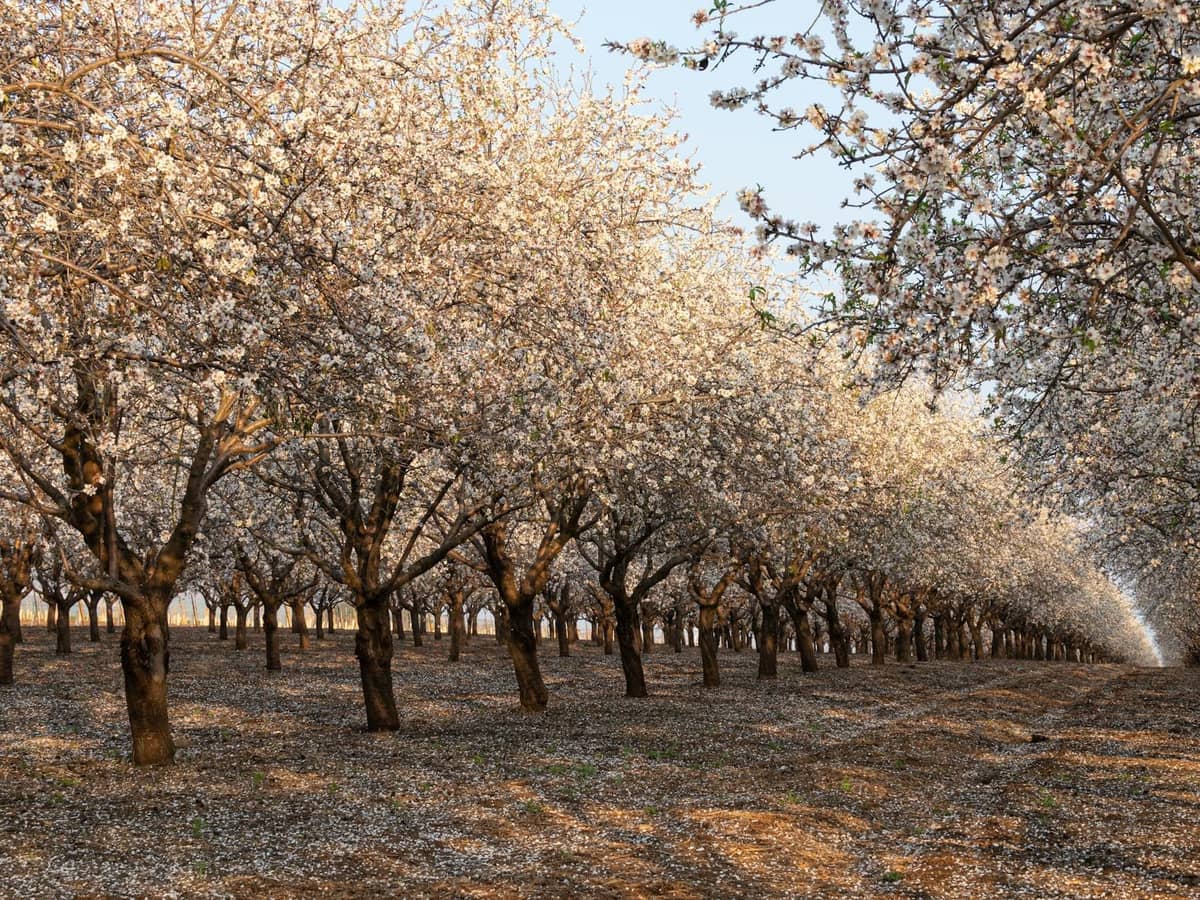
By late summer, an almond orchard has traded its pale bloom for the less decorative work of shaking, sweeping and hauling. The trees stand quiet while the crop moves into a market where even a modest change in supply can matter.
Early expectations for California's 2026 almond crop point to a result only marginally smaller than last year's. That is hardly a dramatic collapse, but the market is reacting to the direction of travel: almond prices are firming as the crop outlook tightens.
A Smaller Crop Meets a Softer Buyer
The awkward part is demand. Domestic buying has been weak, according to the market report, yet that weakness is contributing to a tighter market rather than simply sending prices lower. Almonds are moving through a supply chain where crop size, existing commitments and the pace of buying do not always line up neatly.
The result is a firmer price environment built on a thin margin of change. The Almond Board's final seasonal position report was described as a strong finish for the industry, giving the market another piece of evidence that supply is not as loose as it might have appeared.
The Orchard Bill Still Arrives
A better price does not make an almond orchard inexpensive to run. Rising costs are pressing on profitability for California growers, so the improvement at the sales end has to travel through labor, water, equipment, pest management, harvest and processing expenses before it becomes usable cash.
That arithmetic is shaping planting decisions as well as marketing decisions. In the Yuba-Sutter region, former peach growers moving into almonds have turned to newer self-pollinating Yorizane trees, which can require less labor and lower costs, according to the Sacramento Bee's account of the transition. A tree that saves a pass through the orchard is not a market strategy by itself, but it can soften the exposure to one.
What the Price Signal Can and Cannot Do
For California almond operations, the current signal is useful but narrow. Firmer prices improve the financial outlook on paper; they do not erase weak domestic consumption or guarantee that the projected crop will match the final one. Growers with committed sales, storage decisions and different orchard cost structures will feel the change differently.
The next meaningful test will come as harvest information replaces the early estimate and position reports show how much crop is actually moving. Until then, the almond market is offering something growers have not had much of lately: a little more room, though not much room, between the crop and the bill.