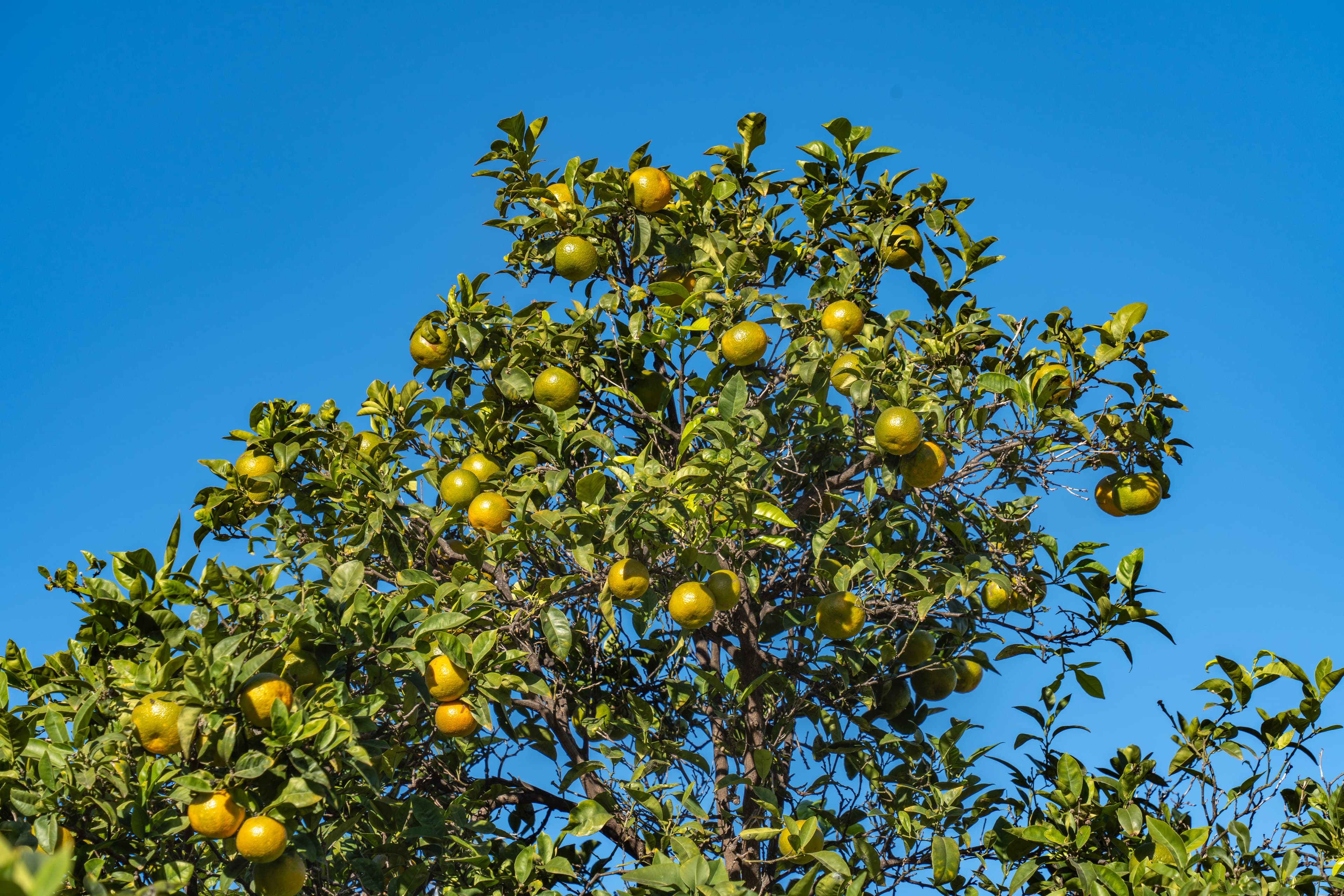
The unusual thing about this year's California Valencia crop is visible before an orange reaches the packinghouse: the fruit is big. Trees in several regions are carrying strong sets, and the growing season has pushed the crop toward larger sizes—the kind of abundance that can make a market feel well supplied and oddly short at the same time.
Supply is moving steadily, according to a market report on the California Valencia season. That movement, paired with good sets on trees, is setting up firmer pricing expectations even as the crop's size profile creates a separate problem for buyers looking for smaller fruit.
A Crop With Plenty of Weight
Jesse Silva of Kings River Packing described the company's crop as one of its biggest. The comment captures the season's basic tension: there is substantial fruit to sell, but not every box answers the same customer demand.
This is one of our biggest crops.
Jesse Silva, Kings River Packing
The current size distribution matters because the market does not treat every orange as interchangeable. Markon's July update found the California Valencia crop dominated by large sizes, with 113- and 138-count fruit extremely limited; substitutions by size or grade may be needed to fill some orders.
The Small-Size Squeeze
That shortage becomes more visible when school food programs return. Markon expects small fruit to become especially scarce as schools start in August, while larger 56- through 88-count oranges are more plentiful during the Valencia season.
For packers, the issue is less about whether oranges exist than about where they fit. A buyer seeking a particular count may have to accept a different size, a different grade, or fruit from offshore supplies. Those workarounds can keep an order moving, but they also put more attention on the value of each available size.
The same pattern has appeared across the broader citrus market, where larger California oranges were reported as more plentiful than small fruit. For Valencia growers, that leaves the season with two simultaneous signals: strong orchard production and a tighter market for the smaller fruit some programs specify.
What the Orchard Is Sending Forward
The likely benefit for California Valencia operations is a market that rewards the crop's favorable set and steady movement. The operational wrinkle is sorting and sales alignment: large fruit may be easy to find, while the counts needed for school, retail, or foodservice programs may command more attention.
That makes the packinghouse mix—not just total tonnage—the practical measure of the season. Growers and packers will be working with a crop that looks generous from the tree but may require more negotiation once buyers ask for a specific box.