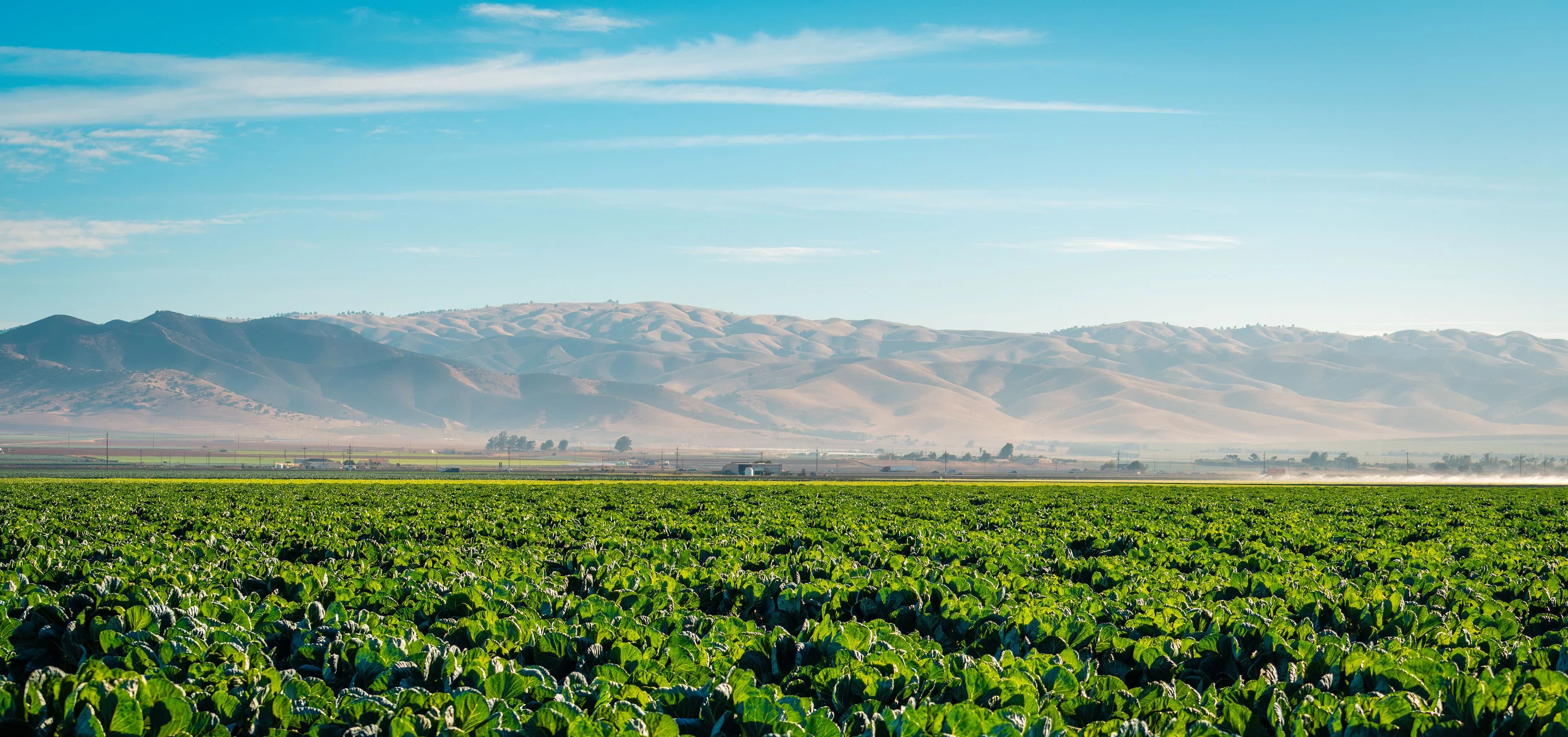
On a small San Joaquin Valley farm, the groundwater system is mostly hidden: a pump, a buried pipe, a power bill, and whatever the well can deliver when the field needs it. The aquifer may be managed through maps and models, but the farm experiences it as an irrigation schedule that either holds together or does not.
That mismatch sits at the center of a new report examining how California's groundwater rules land on small-scale farms. Its authors argue that groundwater sustainability cannot be measured only by water levels and pumping totals if the policies meant to stabilize basins make it impossible for some farms to remain in production. The report's findings come after three years of outreach, surveys, policy review and conversations with farmers.
A Rulebook Built Around the Basin
California's Sustainable Groundwater Management Act, or SGMA, was built to address depletion in the state's most heavily overdrafted groundwater basins. It relies on local Groundwater Sustainability Agencies to write and carry out plans that bring basins into balance. The basic idea is straightforward: reduce the drawdown before wells fail and the underground savings account becomes an empty one. The law's local structure is where the experience can become less straightforward for a grower with limited capital and little leverage in a basin-wide process.
The report points to a practical obstacle that is easy to miss from a basin map. Small farms may be eligible for groundwater recharge programs in theory, yet lack the canals, turnouts, wells or other infrastructure needed to move water onto their ground. Building or upgrading that system can cost more than a small operation can carry, particularly when the benefits arrive slowly and depend on water being available at the right time.
That leaves some growers facing a peculiar version of access: a recharge project may exist nearby, but the farm cannot economically connect to it. The problem is not simply the price of water. It is the price of reaching the water, measuring it, complying with the program and waiting for the aquifer benefit to show up.
Counting Farms as Part of Sustainability
The pressure is already visible in farmer responses. A survey of 170 small farmers found that 85% were concerned they might have to shut down as groundwater regulations take effect, according to reporting from SJV Water. A shutdown is not an abstract change in land use: it can mean a field is leased to a larger neighbor, planted less intensively, or left out of production.
For that reason, the report proposes treating the loss of small farms as a “seventh undesirable result” of groundwater mismanagement under SGMA. The phrase is deliberately bureaucratic, almost too tidy for the subject. But it asks a consequential question: can a basin be called sustainable if its water system is stabilized by removing the farms least able to absorb the cost?
The concern is set against a larger production shift already anticipated in the valley. UC Davis research summarized by UC Agriculture and Natural Resources says new groundwater rules could take as much as 20% of the San Joaquin Valley's irrigated fields out of production, while winter grain crops may offer one way to keep some land productive with less water. That research does not erase the financial gap between a large operation with dedicated water infrastructure and a small farm trying to retrofit one.
The report does not argue for ignoring aquifer depletion. It asks who gets the tools to comply, who pays for the physical connection to recharge, and whose disappearance is treated as an acceptable side effect. Those decisions will be made through local groundwater plans and programs, where the difference between a workable rule and an impossible one may be a turnout, a shared pipeline or a cost-share application.
For California growers, the story is therefore less about a new statewide prohibition than about the design of the local machinery around SGMA. A farm may be affected long before a well goes dry, when a recharge opportunity is technically available but financially out of reach. The report puts that ordinary inconvenience on the same page as the basin's deepest water-level graphs.