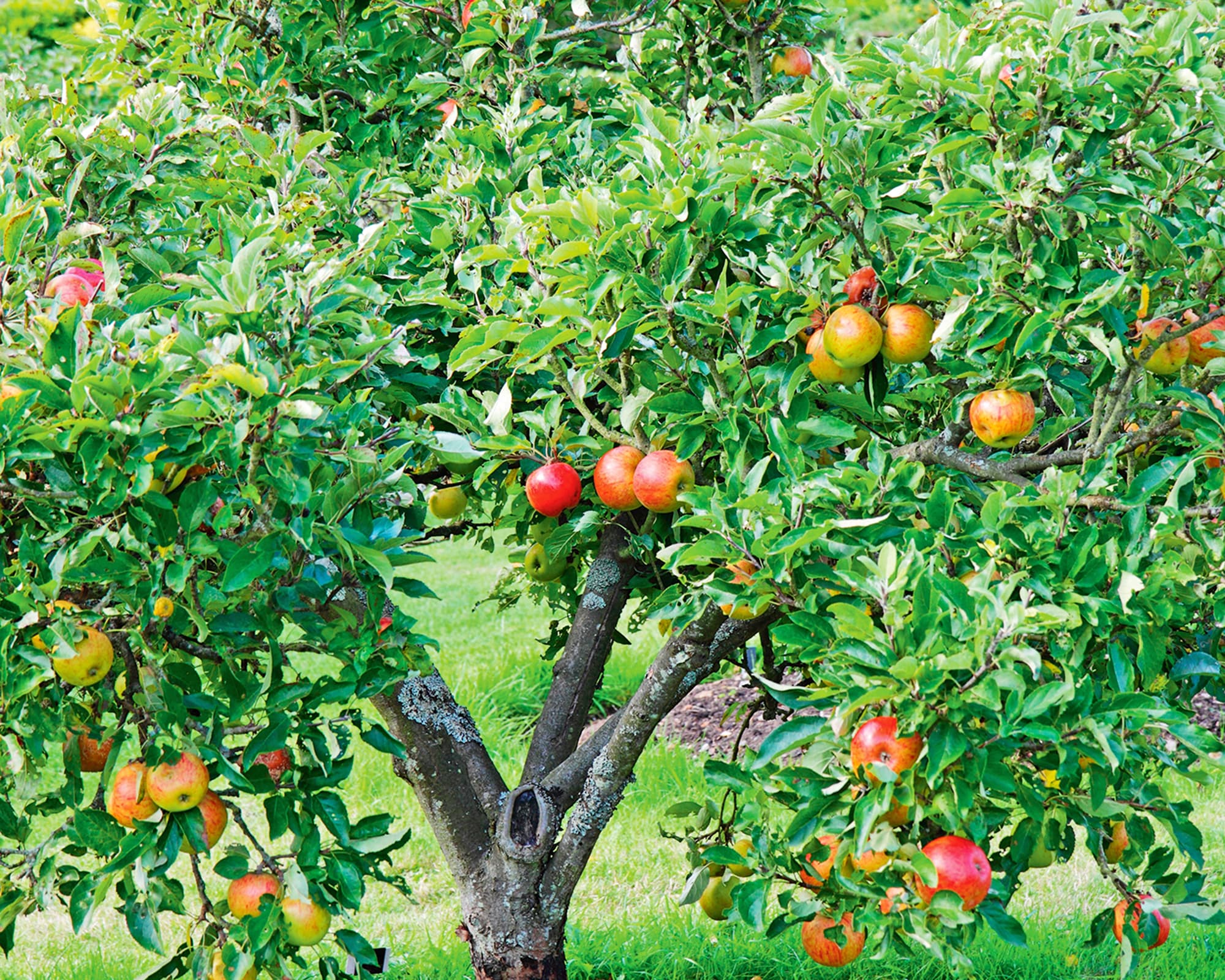
The emergency tool in a Dutch orchard is an ordinary one: water delivered to trees before the reserve runs out. After a prolonged dry spell, fruit growers are using irrigation to keep this season’s crop from losing size and quality.
The problem is bigger than a thirsty tree. Fruit production depends on a steady supply through the season, and the available water is becoming less dependable just as growers need it most. The Dutch fruit growers’ organization describes the conditions as exceptional and says irrigation is necessary on many farms to protect production and quality.
When the Orchard Runs Short
The Dutch fruit sector is facing extreme drought, with local supplies under pressure. Growers are therefore having to make irrigation decisions under constraint: which blocks receive water, when applications can be made, and how long existing reserves will last.
That turns drought into a quality problem as well as a volume problem. Fruit that does not size normally can be harder to market, while stressed trees may produce less saleable crop. Reports from the Netherlands describe the expected harvest as smaller and more expensive, with growers warning that drought is already shaping the fruit coming off the trees.
Apples Take the Hit
The pressure is not evenly distributed across the crop. The 2026 Dutch apple harvest is forecast to fall 18%, while pear production is expected to rise 10%, according to production estimates reported by FruitToday. The contrast matters because a stronger pear outlook cannot simply replace every lost apple sale.
For growers, the harvest will be judged after the fruit is picked and sorted. Quantity in the orchard is only part of the calculation; size, appearance, and the share that meets a buyer’s specification determine what makes it into the profitable channels.
Water Becomes the Crop Decision
The drought is expected to leave Dutch fruit smaller and more expensive, bringing the effects of the orchard to the market. Reduced supply can raise prices, but higher prices do not automatically repair a grower’s margins when irrigation, labor, and sorting costs are also pressing on the season.
The immediate watchpoint is water availability at farm level. If reserves continue to dwindle, growers may have fewer opportunities to correct stress late in the season. The final result will depend on how much fruit reaches marketable size and quality, not simply on how much remains on the trees.