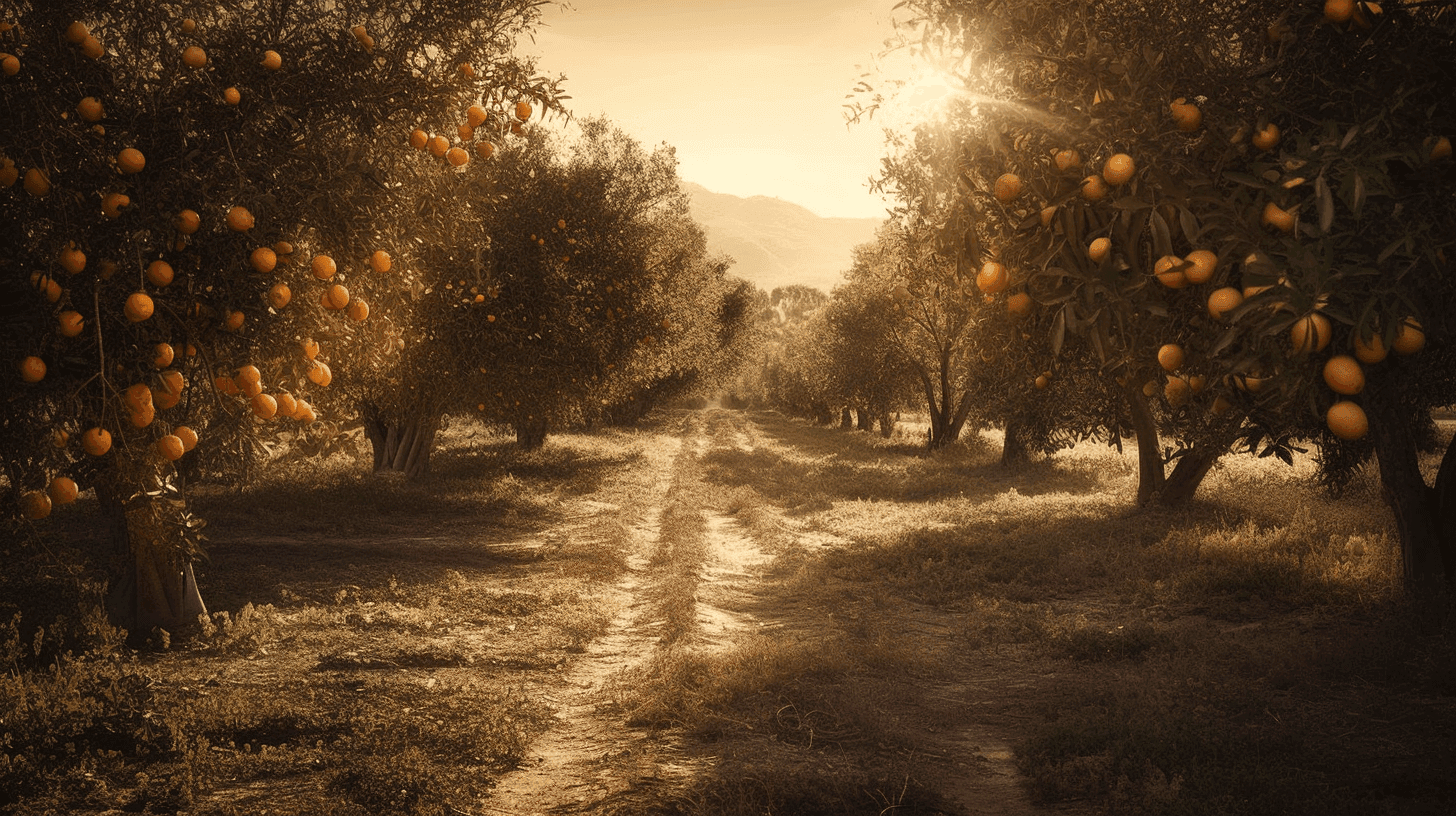
In a California navel orchard, the season's promise can be reduced to a count made high in the canopy: how many fruit are hanging on each tree. This year's count is unusually encouraging, though the oranges still have months of heat, wind and harvest logistics ahead of them.
The 2026/27 California citrus forecast puts navel orange production at 84 million cartons, four million more than last year. Mandarin production is projected at 38 million 40-pound cartons, an increase of five million.
A Fuller Canopy, on Paper
The navel estimate is supported by an average fruit set of 388 pieces per tree, up 3% from the previous year. That is a useful early measure of production potential, but it is not the same thing as packed cartons: fruit size, drop, quality and the timing of harvest will still determine what makes it through the shed.
The forecast arrives against a citrus acreage base that has been comparatively steady. The latest California citrus acreage report gives growers and handlers a way to separate changes in production from changes in planted ground, varieties and bearing age.
More Fruit Does Not Mean an Easier Season
A larger crop can make the packing line busier before it makes the balance sheet prettier. More fruit requires room in bins, labor at the right weeks and buyers able to absorb the volume without letting quality slide while cartons wait.
Pest timing adds another variable. In the San Joaquin Valley, the California red scale bulletin reported development running well ahead of the recent seasonal pattern, with degree-day accumulation four to six weeks ahead of the 30-year average as of late July.
Disease pressure is not confined to the valley. CDFA's Imperial County huanglongbing detection triggered a new quarantine area, adding movement and tree-health considerations for citrus operations in the southeast corner of the state. HLB does not threaten people or animals, but it can damage citrus trees and is spread by the Asian citrus psyllid.
For now, the numbers describe potential rather than a guarantee. A strong set gives an orchard something to work with; weather between set and harvest, fruit retention, sizing and disease management decide how much of that potential becomes saleable fruit.