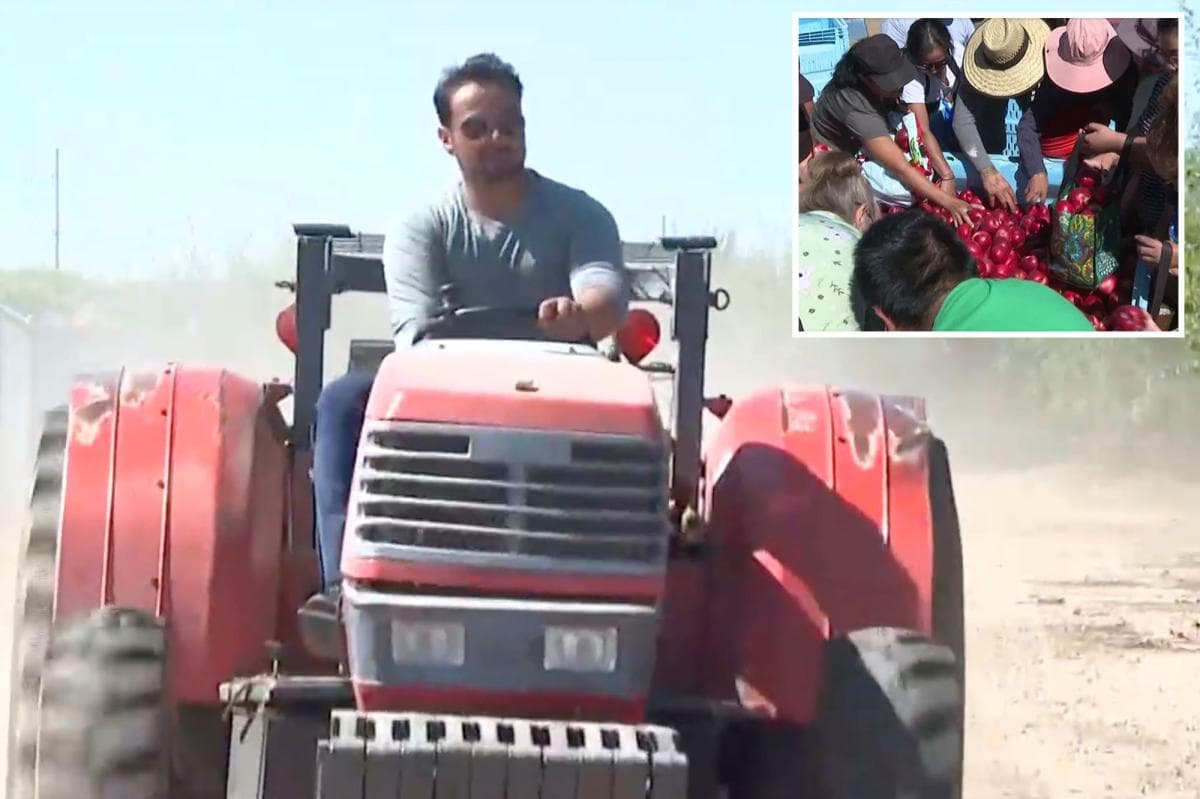
In Reedley, a nectarine orchard has become an unlikely courtroom exhibit. The trees are the Monalise variety, and their future now turns on a contract dispute rather than the usual orchard arithmetic of chill hours, labor and a marketable pack.
Cesar Mora, the Fresno County farmer at the center of the case, drew public attention by giving away more than 125,000 kilos of nectarines rather than let the fruit go to waste. The gesture turned a private fight over a crop into a very public argument about who gets to decide where that crop goes.
The dispute was with Giumarra Brothers Fruit Company, which had an exclusive growing agreement with Mora. A Fresno Bee account of the trial reports that jurors rejected Mora's claims that the company made several promises to him and found that he breached the agreement by using a packer Giumarra had not approved.
An Orchard Inside a Contract
Mora's allegations involved the kinds of assurances that can shape a planting decision: a payment of $1,000 per acre, royalty advances, a planned sale to Canadian retailer Loblaws and assurances involving the variety's patent. Giumarra representatives testified that they had denied promising those incentives, according to trial coverage from the Fresno Bee.
For a grower, the disagreement is less abstract than the language of a complaint suggests. A variety may occupy land for years, while packer requirements reach into harvest timing, grading, marketing and the choice of who handles the fruit. A promise remembered in a kitchen or pickup cab can eventually be tested against an exclusive contract in a Fresno County courtroom.
The Remedy Reaches Into the Field
After the jury verdict, the judge ordered the Monalise trees removed. Mora's lawyers sought emergency relief to stop the work while they appeal, leaving the orchard caught between a judgment already issued and a legal process that is not finished.
That remedy is unusually physical. A damages award can be paid over time; a removed orchard cannot simply be switched back on if an appellate court later changes the result. The case therefore places a production asset—the trees themselves—inside the timetable of litigation.
The reported ruling follows a season in which Mora's giveaway made the dispute visible well beyond the Reedley packing shed. What began as a fight over crop ownership ended with the court addressing the plantings that produced the crop.