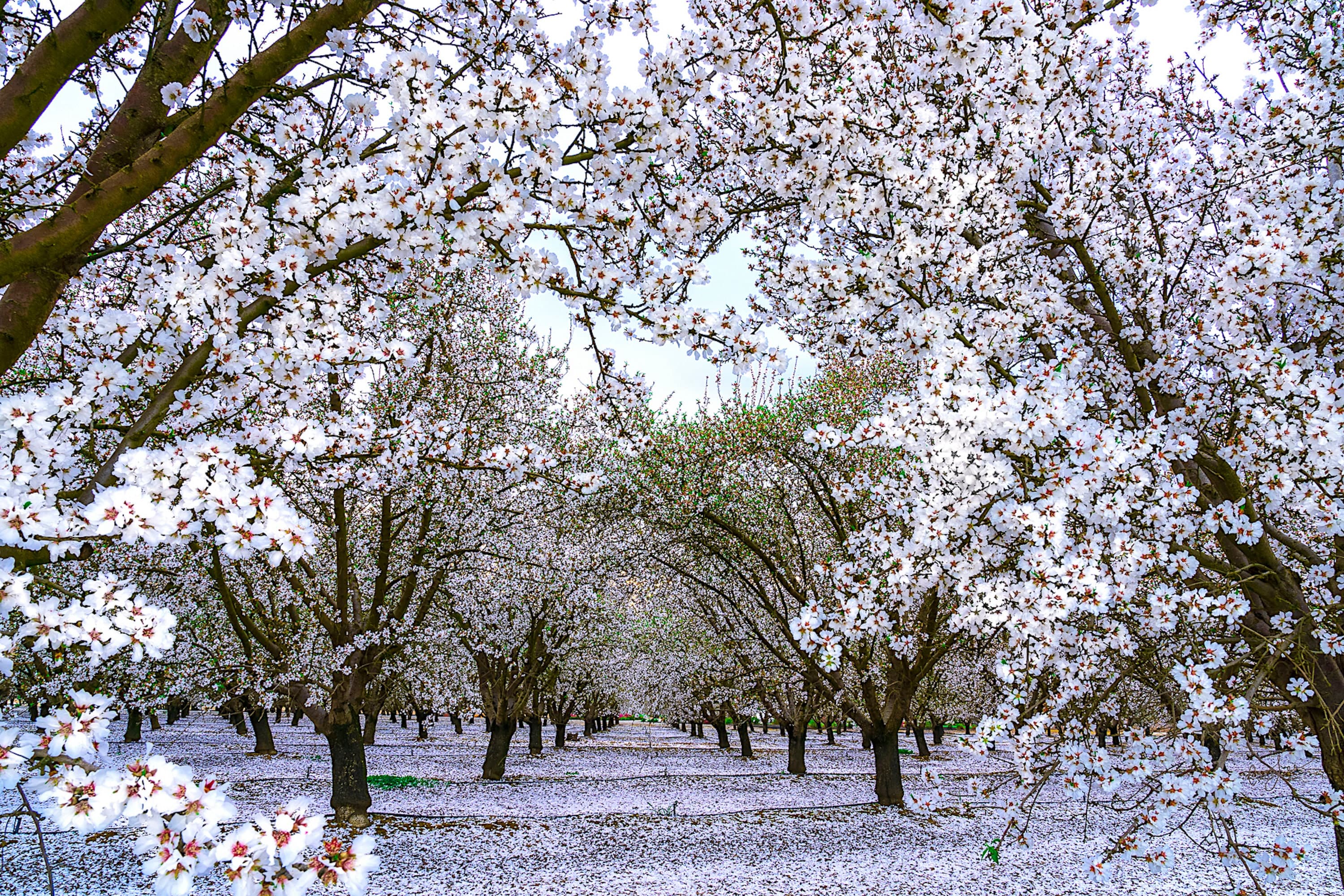
The oddest thing about an almond market report is how little it looks like an orchard. There are no shaker machines, hull piles, or yellowing leaves—just pounds moving across a ledger. In the latest report, that ledger points to a market where almond prices have reached their highest level in about a decade.
For California growers, price strength matters most when it survives the trip from the tree to the buyer. July offered one useful sign: the state shipped 203.6 million pounds of almonds, up 3.3% from the same month a year earlier, according to the July market update.
A Stronger Market With Product Still Moving
That combination—firmer pricing alongside higher shipments—is more encouraging than a price increase produced by a stalled pipeline. It suggests buyers were still taking California almonds while the market found a more favorable level.
The benefit was not spread evenly across the map. Shipments to the Middle East and Africa increased 36.6%, making those destinations an important source of support for California almond growers. The regional export figures are a reminder that the market is assembled from many trade lanes, each with its own appetite and timing.
For orchards in the Central Valley, that demand arrives at a practical moment. Almonds are sold through a long chain of handlers, processors, exporters, and buyers, so a stronger quoted market does not automatically translate into the same return for every lot. Variety, quality, contract terms, and timing still have room to rearrange the final number.
The Export Route Matters
Middle Eastern and African buyers are not a footnote in this report. Their increased purchasing helped absorb California almonds at a time when growers and handlers are watching how much product moves before the next crop takes over the conversation.
The July shipment figure also gives growers a better question than whether prices are simply 'up.' The useful question is whether demand continues to carry volume with it. A market that pays more but moves less can leave inventory sitting in the system; a market that pays more while shipments advance gives sellers more room to work.
That does not make the season tidy. Export demand can change, and the posted market is not the same thing as a settlement statement. Still, the current report gives California almond operations a reason to examine sales timing, delivery commitments, and the destinations taking the crop rather than treating price as a number detached from movement.