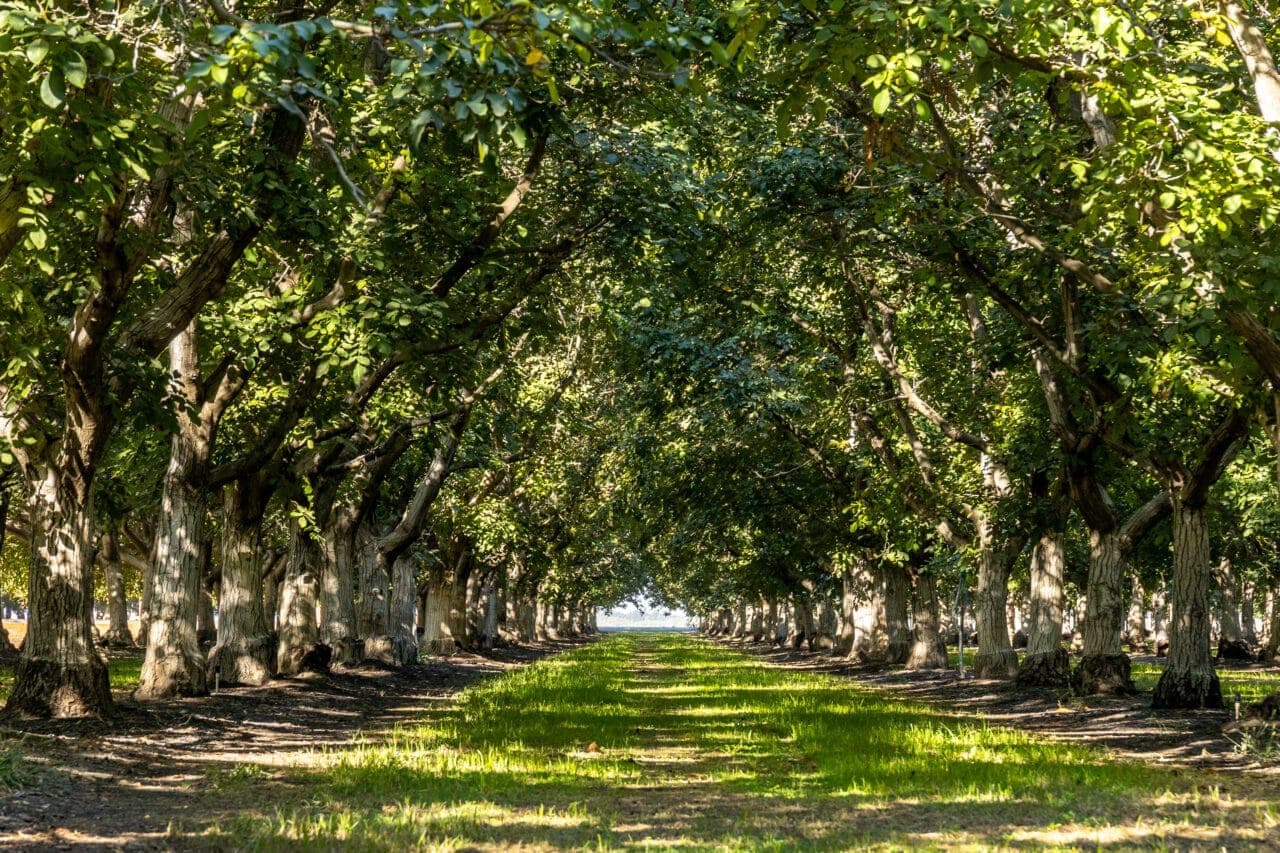
On a California walnut ranch, the crop spends much of its life standing quietly in rows. Then the shells become logistics: cartons, containers, port schedules, and buyers several time zones away. This season, more of those cartons are pointed toward the Middle East and Africa.
The change is showing up in the export channel before it shows up in an orchard ledger. US in-shell shipments have more than doubled, with demand from the Middle East and Africa doing much of the pulling. For growers, that creates a better market for whole nuts, the format that lets buyers crack them closer to home.
More Shells on the Water
The strongest reported destinations include Turkey and the broader MENA region, or Middle East and North Africa. Those markets matter because they add outlets beyond domestic users and traditional kernel trade. A walnut does not need to be shelled in California to earn California value; sometimes the shell is part of the shipment's selling point.
That movement has tightened the market's tone. A July market assessment described stronger US shipments alongside firmer prices, with hot California weather adding another variable to expectations for the crop. The combination is less a guarantee than a change in bargaining weather: exporters have more reason to resist low bids when buyers are actively looking for supply.
China is supplying the other half of the story. Its higher kernel price floor is narrowing the room for cheap walnuts in the global trade, tightening the balance between available supply and expected prices. Kernels and in-shell walnuts are different products, but they still meet in the same commercial question: how much can a buyer pay before another origin or format becomes attractive?
The Price Floor Travels
A price floor in China does not set a California orchard's return directly. It can, however, lift the reference point used by traders and processors, especially when European currency values remain steady and buyers are already competing for product. The effect travels through offers, replacement costs, and the quiet arithmetic behind a shipment.
For US growers, the opportunity is most immediate for orchards producing the grades and sizes that export buyers want in-shell. The useful question is not simply whether prices are higher, but whether the premium survives freight, handling, cracking preferences, and the quality claims attached to each lot.
Export demand can also rearrange timing. Shippers may commit earlier when overseas customers are covering needs, while growers and handlers weigh the benefit of selling into a firmer market against the cost of holding inventory. Recent market reporting points to strong in-shell movement with steadier kernel gains, a split that makes product mix increasingly consequential.
The market's next test will come from the buyers themselves. If Middle Eastern and African demand keeps absorbing US in-shell walnuts, the stronger export channel may become a durable outlet rather than a short-lived burst. If Chinese pricing softens or importers pause, the leverage can drain from the system quickly. Walnuts may grow on trees, but their price is negotiated far beyond the orchard gate.