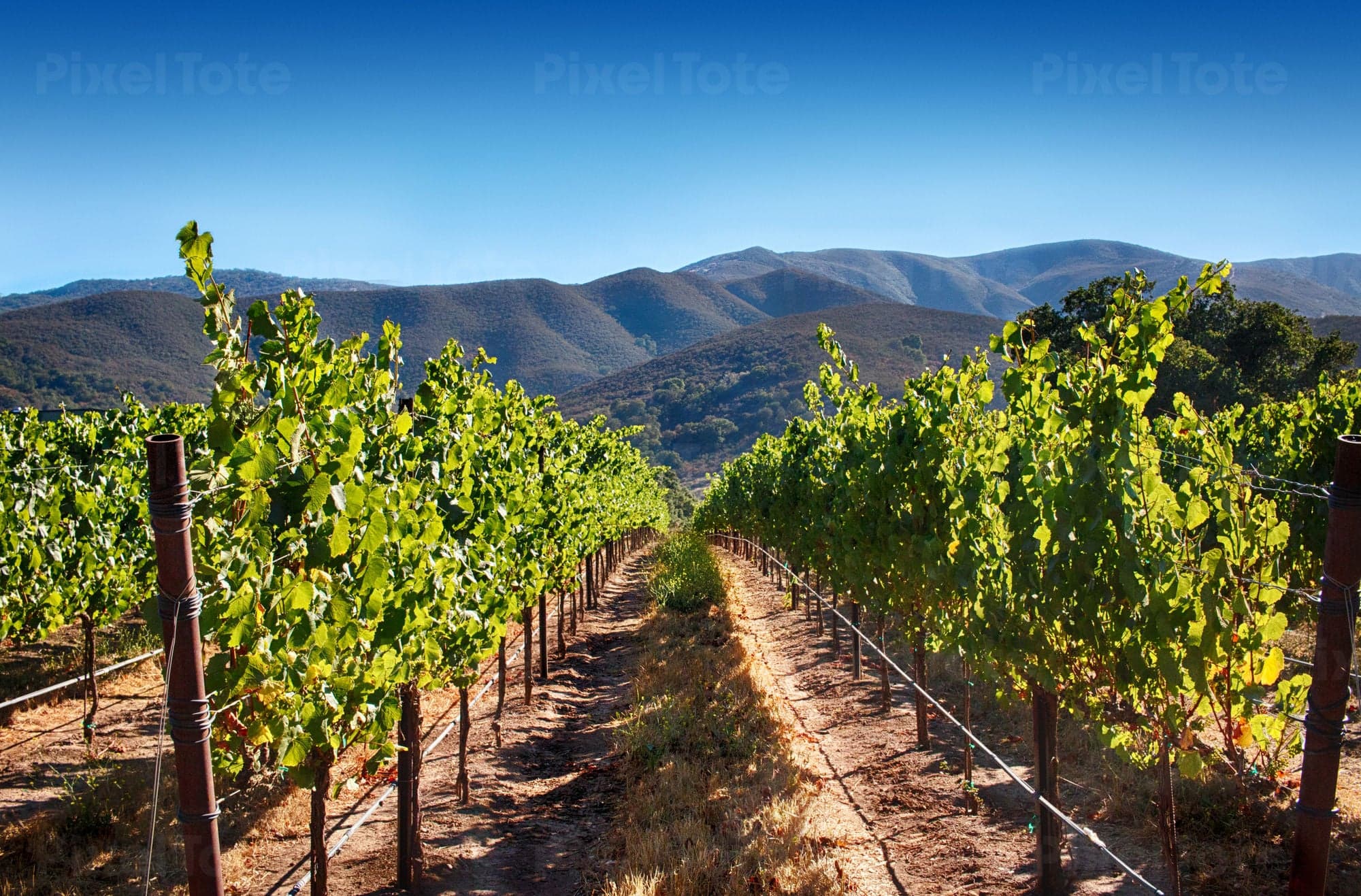
When wildfire smoke blanketed northern Michigan skies earlier this month, Kasey Wierzba had the vineyard at Shady Lane on her mind. The vines were still carrying a crop, and the air above them had taken on the color of a dirty window.
The smoke came from wildfires in Minnesota and Canada, sending northern Michigan into air-quality alerts and giving grape growers one more thing to inspect between the rows. Smoke does not have to leave a visible mark on a cluster to complicate what happens later in the winery.
The concern is known as smoke taint: exposure that can alter the flavor profile of wine made from affected grapes. Reports from the region describe the question plainly—could wildfire smoke change the flavor of northern Michigan wine grapes?
A Second Weather Problem
For Michigan winemakers, the haze arrived after a growing season already marked by climate extremes. That timing matters because grape production is a sequence with little spare room: weather has already influenced the crop, and smoke now introduces another source of uncertainty before fruit reaches the crush pad.
The immediate threat is not necessarily a ruined harvest. The more awkward possibility is that grapes look sound in the vineyard while producing wine with an altered character. That leaves growers and winemakers managing a problem that may become clearer only after fruit is tested or processed.
Smoke exposure also varies by vineyard and by the conditions surrounding each event. A smoky afternoon is not the same as prolonged contact, and the crop’s stage of development can matter. Those distinctions are part of why blanket conclusions are difficult before harvest.
Watching the Fruit, Then the Wine
Growers are being urged to monitor their crops closely as the season advances. That means keeping track of smoke events alongside ordinary vineyard observations and communicating with wineries before fruit is committed to a tank. The useful record may be less dramatic than the brown sky: dates, duration, vineyard conditions, and how the fruit develops afterward.
Research and testing will help determine whether the concern stays hypothetical or follows the grapes into production. Regional coverage has focused on the possibility that smoke exposure could change wine flavor, which puts sensory evaluation downstream from the vineyard in an unusually important position.
That is an uncomfortable handoff for growers. Vineyard decisions happen under open sky; wine decisions happen after the crop has been picked, pressed, and given time to reveal what the season put into it. Michigan’s current smoke concern is therefore less a single event than another variable moving through the entire chain.
For now, the episode is being treated as a quality risk rather than an immediate disaster. But the larger pattern is harder to dismiss: wildfire smoke is becoming part of the weather growers have to account for, arriving alongside the heat, rain, and cold that already shape the vintage. Michigan winemakers are facing more wildfire smoke as a new climate worry.