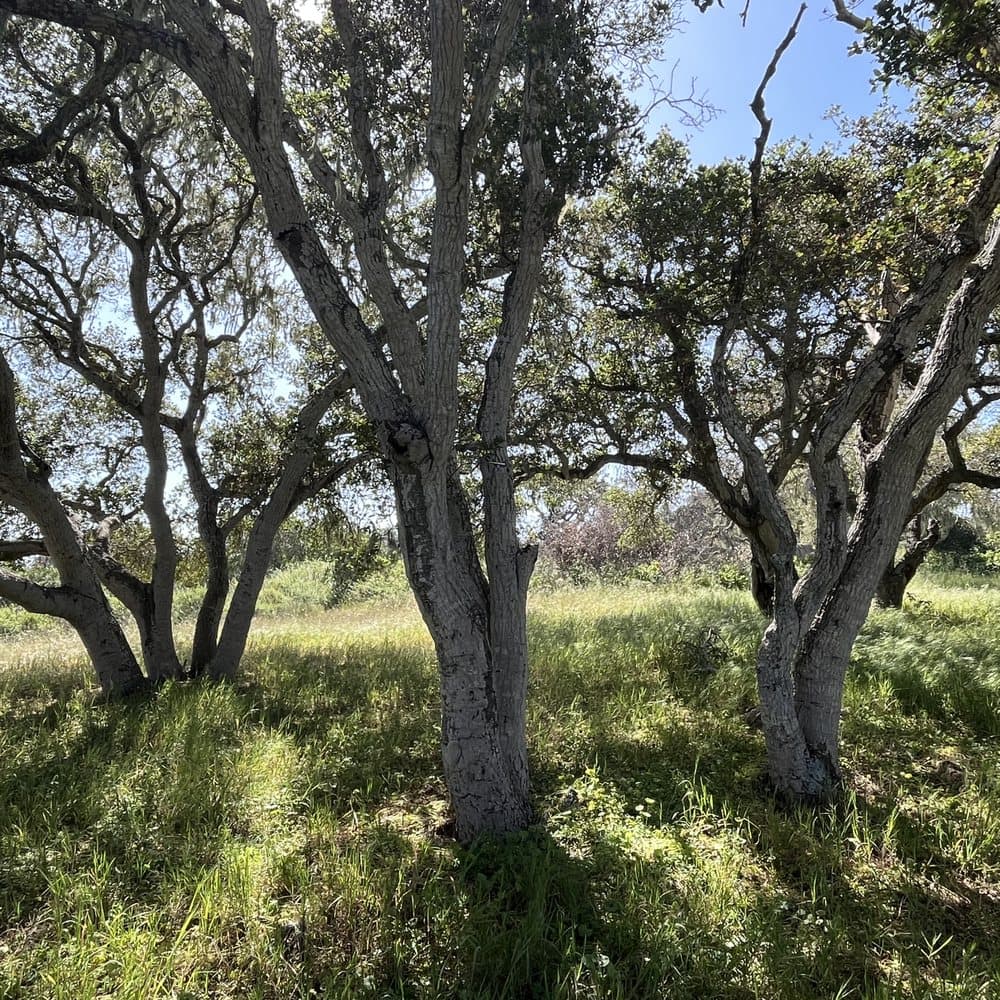
In Felton, the warning begins at the base of a tree: a small beetle disappears into the wood, and the trouble it leaves behind is harder to see. The greater shothole borer has been found in the Santa Cruz County community, where its arrival has put local trees under a new kind of scrutiny.
The beetle does more than make a pinhole. It burrows into trees and leaves behind a fungus that can kill them, putting nearby tree populations at risk as the infestation spreads quickly. County agriculture officials have asked the public to help prevent further movement of the pest, according to a report on the Santa Cruz detection.
A Small Entrance, a Larger Diagnosis
That combination of insect and fungus complicates the first decision: whether a declining tree is suffering from the shothole borer, another pest, a disease, or ordinary stress. The University of California Agriculture and Natural Resources advises property owners to be careful when hiring tree-care professionals, since recommendations can vary when invasive pests are involved. Its guidance on choosing an arborist points toward a diagnosis before treatment or removal.
For growers and nursery operators, the same caution applies to trees near production ground, roads, residences, and equipment yards. A suspicious tree is not just a landscaping question if pruning debris, firewood, or nursery material can help carry an unwanted insect to the next host.
Felton Takes the Question Outdoors
Santa Cruz County and UC Cooperative Extension are holding public meetings to discuss monitoring and mitigation in affected areas. The gatherings are meant to give residents and land managers practical information about protecting trees throughout the county, rather than leaving each property owner to interpret a hole in the bark alone. The meeting notice lists a Felton session at the branch library and another in Santa Cruz.
The county’s response comes as the beetle’s local footprint is still being sorted out. Officials have confirmed its presence in Felton, while public reporting describes concern about additional spread. That makes early reporting and consistent identification more useful than hurried spraying based on a single symptom.
The immediate work is therefore fairly unglamorous: identify the beetle correctly, map affected trees, and decide what material should stay put until local guidance is clearer. The county’s public meetings are where those decisions begin to move from individual properties into a shared response.