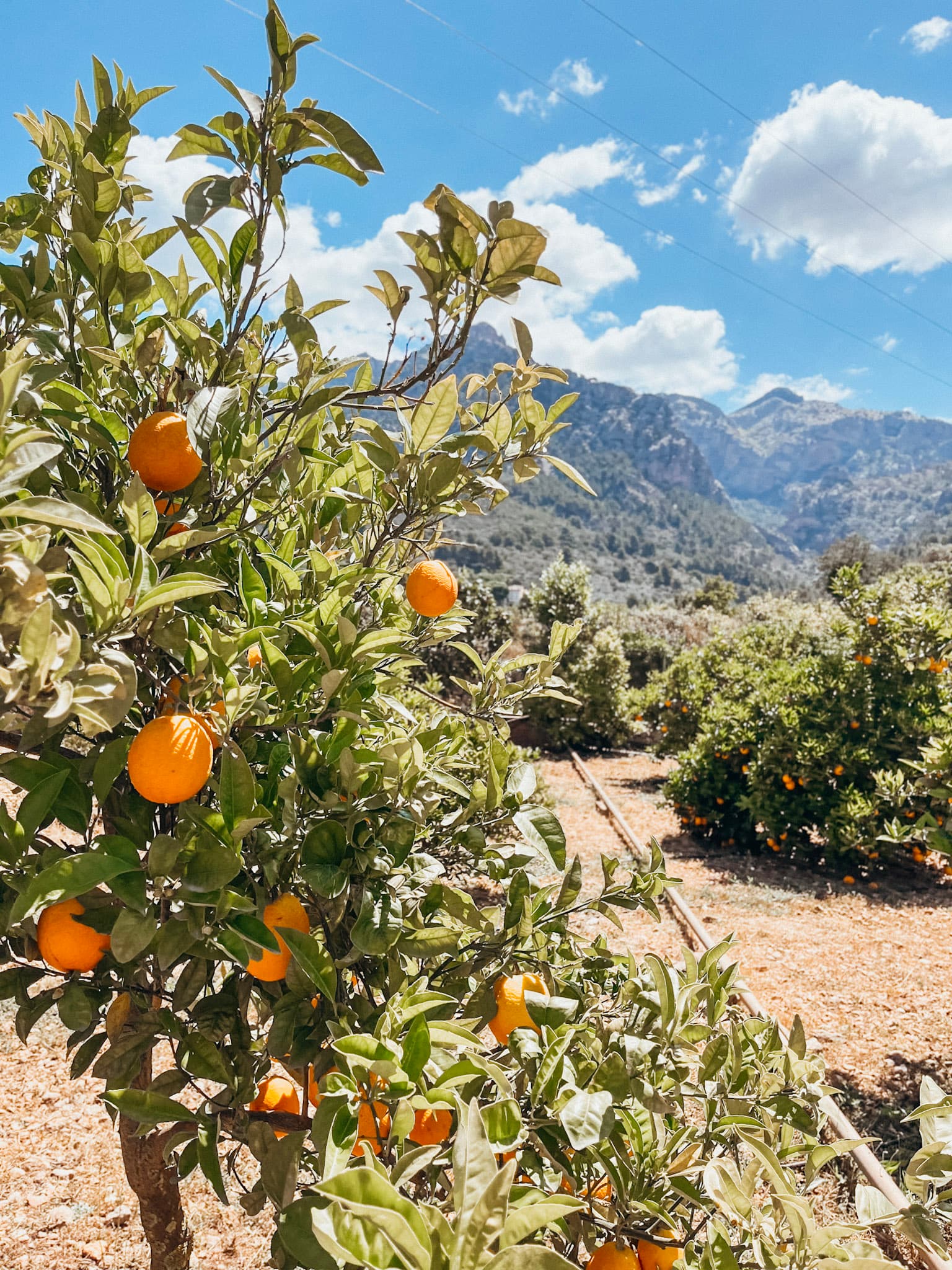
A citrus orchard can look finished long before the harvest crew arrives. The fruit is colored, the rows are quiet, and then a few oranges begin to collect beneath the trees. For California growers, that drop is the unglamorous end of a season's work—and it now has another possible intervention.
Citrus Fix has received a Special Local Need label for use on several citrus crops in California, including navel oranges and mandarins. The approval creates a fall-use window for the product, giving growers a tool aimed at fruit that leaves the tree before it reaches the picking bin. California Citrus Mutual describes the new label as a way to potentially improve yields and reduce losses.
A Fall Window for Fruit on the Edge
The label allows applications from September through November, the stretch when pre-harvest fruit drop can become a direct yield problem for citrus operations. That timing matters because the product is not being added as a general seasonal treatment; it is being positioned for the weeks when fruit is still hanging, harvest is approaching, and every fallen piece has already become harder to sell.
The change arrives in a crop already managing a long list of biological complications. California's statewide plan for Asian citrus psyllid and huanglongbing treats both pests as an ongoing citrus-pest and disease-management priority, rather than a problem that can be filed away after one spray season. CDFA's action plan lays out that broader response.
One More Tool in a Crowded Spray Calendar
For orchard managers, the practical question is where Citrus Fix fits beside existing pest, disease, irrigation, and harvest decisions. A fall application may help preserve fruit, but it does not replace scouting or the timing work that makes any treatment useful. In the San Joaquin Valley, California red scale development has been running ahead of normal, with treatment windows at risk when decisions follow the calendar alone. UC Agriculture and Natural Resources reported the June red scale update in those terms.
That makes the new label less like a reset button than an extra slot in an already crowded schedule. Growers will still need to confirm the crop and use pattern on the current product label, check compatibility with their orchard program, and coordinate any application with harvest timing and crew plans.
The immediate value is flexibility. Navel orange and mandarin blocks that routinely lose fruit before harvest may have another registered option to evaluate, while operations dealing with pest and disease pressure can consider fruit-drop management as part of a wider plan rather than treating it as an isolated nuisance.
The label does not guarantee a yield increase, and the available announcement does not specify rates, pre-harvest intervals, or block-specific performance. Those details belong to the product label and the grower's pest-control adviser. For California citrus, the opportunity is real, but so is the paperwork that comes before the sprayer leaves the shop.