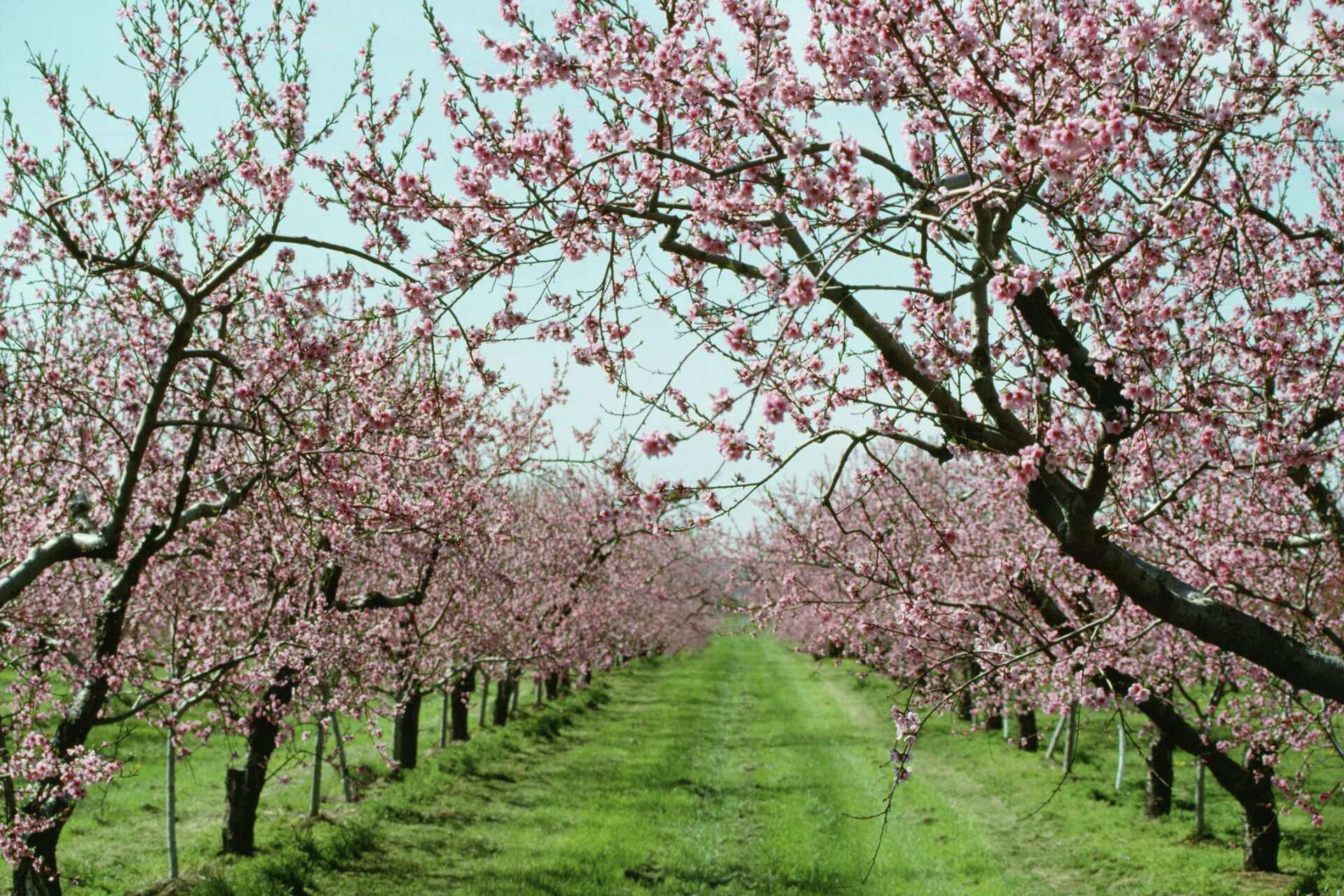
For a cling peach grower, the next major orchard task may be performed at the trunk instead of the packing line. Trees that once represented years of pruning, irrigation and harvest labor are now the subject of a removal program intended to help growers get through a rough stretch in California’s canning peach business.
Applications are open for a USDA-backed tree removal program announced by Representatives Mike Thompson and James Gallagher. The program makes $9 million in federal funding available for the removal of trees covered by the initiative.
The timing is tied to a processing market that has fewer places for fruit to go. A report in the Fresno Bee estimated that California’s canning peach yield could fall 29% after Del Monte’s closure, putting another hard edge on the economics of orchards planted for processing rather than fresh sales.
A Canning Peach Orchard in Retreat
The removal effort is aimed specifically at California cling peach growers facing those industry pressures. The California Canning Peach Association has added $1.5 million to the effort, according to the Fresno Bee, bringing industry money alongside the federal support and helping extend the program beyond a single emergency payment.
Applications began moving this week, and the assistance is expected to cover nearly all growers who lost their processing outlet, the association’s president, Rich Hudgins, told the Fresno Bee. The practical question for each farm is less dramatic than the headline: which blocks still have a contract, a buyer and a plausible return, and which ones now cost more to keep than to pull?
The congressional announcement describes the funding as support for growers affected by the program. It does not, in the available information, spell out a payment rate per acre, a required replacement crop or whether every applicant will qualify under the same terms.
The Cost of Taking a Block Out
Tree removal is not the same as a clean reset. A grower still has to decide what happens to the ground afterward: fallow it, replant peaches, shift to another crop, or keep the block in a longer transition. Those choices will depend on water, labor, contracts and the farm’s existing equipment, none of which the announcement resolves.
For growers outside the cling peach business, this is a narrower program rather than a general orchard-removal grant. The USDA initiative is being presented as a response to conditions in California’s processing peach sector, so a producer should not assume that another stone-fruit block or a fresh-market planting fits the same rules.
The application deadline is the next hard point. The announcement confirms that applications are open but does not provide a closing date in the available details; growers will need the program’s official application instructions before scheduling removal work or committing acreage to a replacement plan.