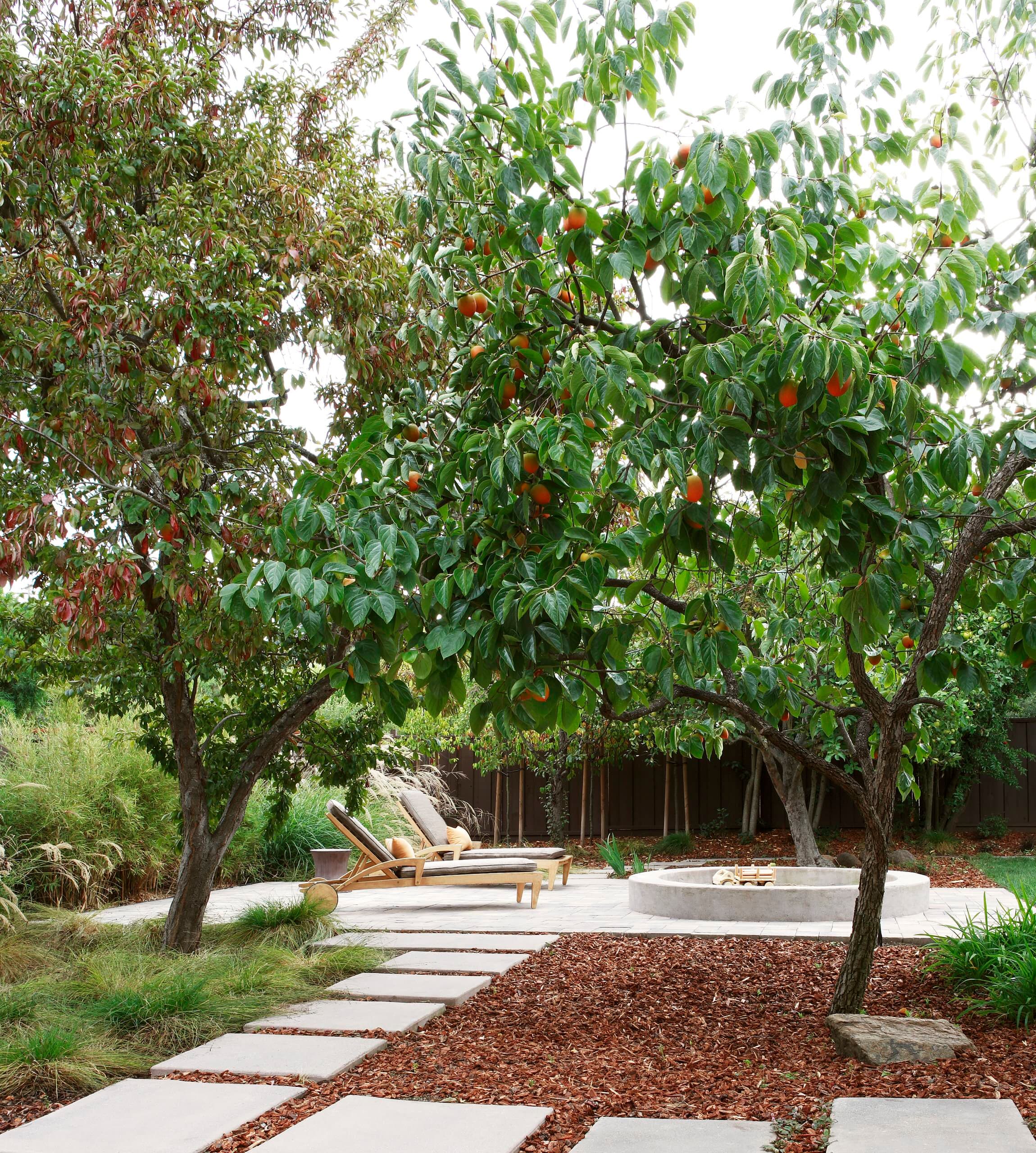
At Strites' Orchard in Pennsylvania, the trees are carrying less fruit than they usually do by July. The orchard still has rows of trees and the familiar work of a summer harvest, but the season's absence is visible in the gaps.
That shortfall is the practical setting for a new state recovery program. The 2026-27 budget created the Freeze Disaster Assistance Recovery Grant program to help fruit farms recover from crop losses, according to Pennsylvania Public Radio station WITF.
A harvest that never arrived
Fruit operations do not get to postpone every cost when the crop disappears. Pruning, spraying, mowing, labor, equipment and orchard care continue through the season, while the sales that normally pay for them do not arrive at the farm stand, packing line or wholesale account.
The damage reached farms across the commonwealth. At Way Fruit Farm in Port Matilda, owner Jason Coopey described a July orchard with little fruit where a typical season would bring a heavy apple crop and a busy you-pick business, the Centre Daily Times reported.
The state has allocated $10 million for the effort. Agriculture Secretary Russell Redding has said the funding is important for farmers whose businesses were hit by the freeze, framing the grants as a way to support recovery rather than replace an ordinary harvest.
What the grants will have to cover
For growers, the useful question will be how the program turns a budget line into working capital. The application rules, eligibility standards and timing will determine whether assistance can help with this season's bills, preparations for the next crop, or both.
That distinction matters in perennial fruit. An annual vegetable field can be replanted, but an orchard's productive framework remains in place through a bad year. A farm may have to keep caring for trees that produced little while waiting for revenue to return.
The grant program is therefore aimed at a narrow but consequential gap: farms with living, working orchards and unusually little to sell. The budget provides the pool of assistance; the program's implementation will decide how much of it reaches individual operations.